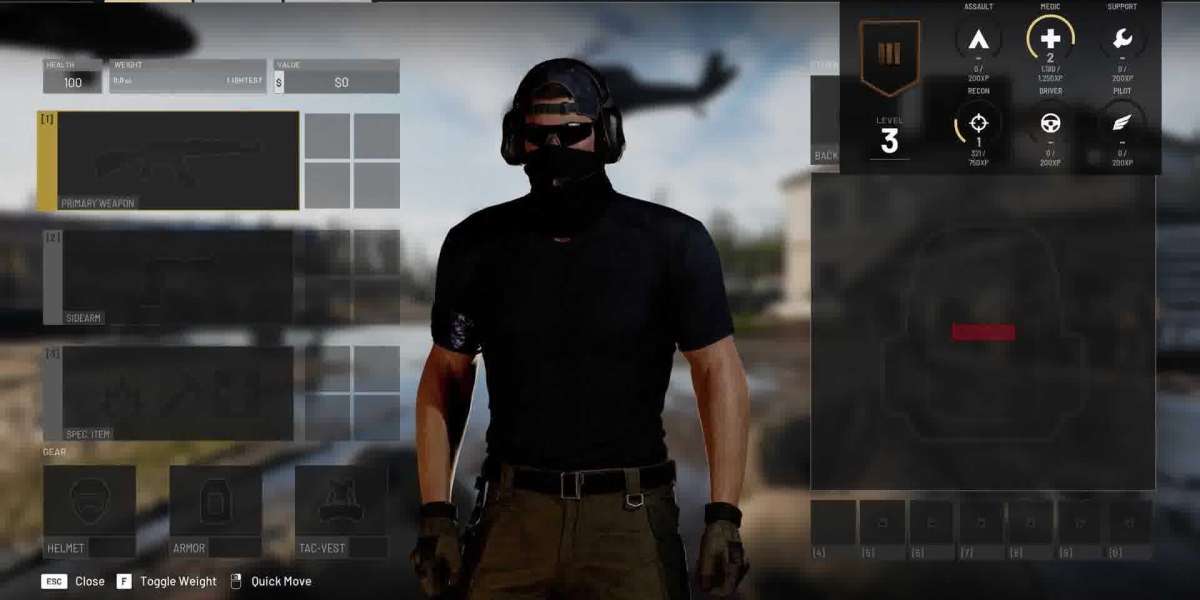
Solo play in WARDOGS rewards players who can make decisions without depending on a squad to correct mistakes. Every movement, engagement, and resource choice can affect the rest of a run, so having a clear routine is especially important. For players focused on Wardogs Cash, building a reliable solo progression method can help turn unpredictable matches into more controlled and productive sessions.
Give Every Run a Clear Direction
A solo match can quickly become inefficient when there is no clear destination.
Before moving, identify an area that gives you a practical reason to travel there. An objective, useful terrain, potential resources, or an active battlefield zone can all provide direction.
This does not mean following one route from beginning to end. Instead, establish a general destination and adjust your path according to what you encounter.
Having a purpose behind each movement helps prevent unnecessary travel and keeps the match focused.
Choose Routes With an Exit in Mind
Solo players should think about how they will leave an area before entering it.
A location may offer excellent opportunities, but if it has limited cover or only one obvious escape route, staying there can become dangerous once enemies arrive.
When approaching an objective or contested area, identify at least one alternative direction for retreat. Natural cover, buildings, terrain changes, and less-used paths can all become valuable escape options.
This simple habit gives you more control when a situation changes unexpectedly.
Build a Loadout Around Your Route
Instead of choosing equipment first and adapting your route afterward, consider doing the opposite.
Think about the environment you expect to travel through. Long sightlines may require equipment suited to distant targets, while tighter areas can demand faster close-range responses.
Your inventory should also support the length of the planned run.
Carrying too little ammunition can force an early retreat, while carrying excessive supplies can limit the space available for useful pickups.
A practical solo loadout should support your intended route without creating unnecessary weight or limitations.
Learn to Evaluate Contact
Seeing another player does not automatically mean you should start shooting.
Before committing to an engagement, consider whether the enemy is actually interfering with your current objective. Check the surrounding terrain, estimate how much cover you have, and think about where additional opponents could appear.
If the target is isolated and the engagement offers a clear advantage, taking the fight may be worthwhile.
If the encounter provides no meaningful benefit and could expose your position, continuing your route may be more productive.
This decision-making process is one of the most important differences between aggressive solo play and efficient solo progression.
Change Your Position After Major Contact
Once you have fired several shots or completed a noticeable engagement, remaining in exactly the same location can become increasingly risky.
You do not necessarily need to abandon the entire area. Moving to another angle, changing elevation, or using different cover can be enough to make your next position less predictable.
Relocation also gives you a chance to observe the battlefield again.
Rather than immediately looking for another fight, use the movement to determine whether the surrounding situation has changed.
Treat Ammunition as a Planning Tool
Running out of ammunition at the wrong time can end a productive solo run.
Keep track of your remaining supplies throughout the match rather than waiting until your inventory becomes critical.
If your current route is taking you far from resupply opportunities, adjust your plan before your resources become a serious limitation.
Likewise, do not waste ammunition on low-value targets simply because they are available.
Every unnecessary engagement can consume resources that may become important during a later objective.
Know When a Run Has Become Too Risky
Solo progression requires recognizing when to stop pushing.
A run may begin smoothly but become increasingly dangerous after several encounters, depleted resources, or changes in enemy activity.
At that point, continuing simply because the original plan looked promising can turn a productive session into an unnecessary death.
Ask whether the next action is likely to add meaningful progress. If the answer is uncertain, repositioning or resupplying may be the better option.
Knowing when to preserve progress is just as important as knowing when to pursue it.
Use Objectives as Checkpoints
Objectives can provide useful structure for solo players.
Rather than treating an objective only as a place to fight, use it as a progression checkpoint. Reaching the area, observing enemy movement, assisting an engagement, collecting resources, or successfully leaving can all become meaningful parts of a run.
This creates smaller goals inside a larger match.
Instead of judging success only by whether you controlled the entire objective, evaluate what useful actions you completed while operating around it.
Learn From Failed Runs
Solo progression improves quickly when every failed run provides specific information.
If you died while crossing open terrain, reconsider your route. If an engagement became overwhelming, examine whether you committed too early. If resources ran out, review what you carried and how you spent them.
Avoid reducing every failure to bad luck.
Some situations will genuinely be unpredictable, but repeated mistakes usually reveal a pattern that can be corrected.
Over time, this creates better instincts without requiring you to follow a rigid guide every match.
Adapt Your Routine as Your Gear Improves
Progression naturally changes the options available to you.
A basic early setup may encourage a cautious approach, while better equipment can allow longer routes or more specialized tactics.
However, unlocking stronger equipment does not mean every run should become more aggressive.
New gear should expand your options rather than force you into unnecessary risks.
Test different combinations and keep the setups that complement the way you naturally move through the battlefield.
Keep Your Solo Routine Simple
A reliable solo routine does not need to be complicated.
Choose a destination, prepare the appropriate equipment, move through practical terrain, evaluate contacts carefully, complete useful actions, and leave before the situation becomes unnecessarily dangerous.
Then repeat the process in the next match.
This structure gives you enough consistency to build progress while leaving room to react to unexpected encounters.
Focus on Sustainable Progress
The most useful solo strategy is often the one you can repeat.
A spectacular run followed by several failed attempts may produce less overall progress than a series of controlled matches where you consistently reach objectives, manage resources, and survive difficult situations.
Think about progression as a long-term process rather than a single match.
Every successful rotation teaches you something about the map. Every careful retreat improves your judgment. Every equipment adjustment can make the next run more efficient.
For players looking into Wardogs Bot Lobby for sale service, this mindset provides a practical foundation for deciding which progression milestones matter most. Build your routine around clear objectives, controlled risks, efficient resource use, and reliable survival, and solo WARDOGS sessions can become much more consistent over time.