
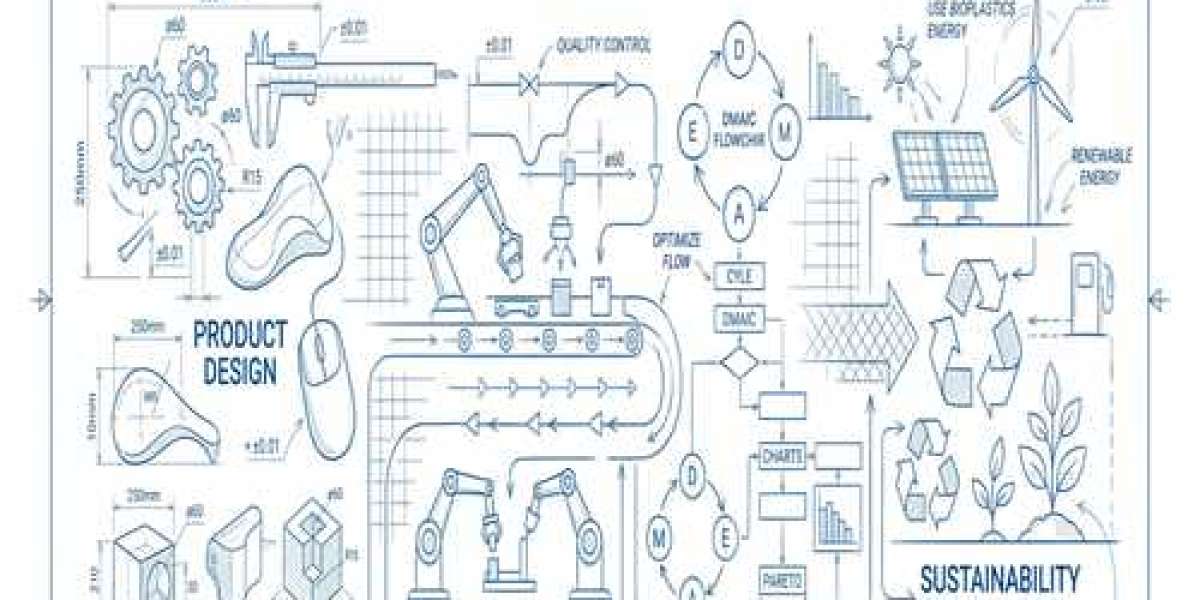
Manufacturing is an important part of the global economy, supporting industries that produce everything from everyday consumer goods to advanced machinery and technological equipment. As industrial requirements continue to evolve, businesses need reliable information, tools, technologies, and professional knowledge to improve their production processes. Access to suitable Manufacturing Resources can help manufacturers explore new opportunities, understand industry developments, and discover practical approaches to improving productivity. Whether a business operates a small production facility or a large industrial organization, having the right resources is essential for maintaining efficiency, quality, and competitiveness.
Understanding Manufacturing Resources
Manufacturing resources include the materials, equipment, technologies, information, and expertise required to transform raw materials into finished products. These resources support different stages of production, from initial planning and product development to assembly, inspection, packaging, and distribution.
Common manufacturing resources include industrial machinery, production software, technical documentation, engineering tools, raw materials, workforce training, and supply chain information. Each resource contributes to the overall production process and helps businesses coordinate their operations.
Understanding available resources allows manufacturers to identify opportunities, address production challenges, and make informed decisions about investments and operational improvements.
The Importance of Technology in Manufacturing
Technology has transformed modern manufacturing by introducing advanced equipment, automation, digital monitoring, and intelligent production systems. These developments allow manufacturers to improve consistency, monitor operations, and manage production activities more effectively.
Computer-aided design (CAD) software helps engineers develop and modify product designs before manufacturing begins. Computer-aided manufacturing (CAM) systems support production planning and machine operations, while enterprise resource planning (ERP) software helps businesses coordinate inventory, purchasing, scheduling, and financial activities.
Automation is another important development. Automated equipment can perform repetitive production tasks with consistent results, allowing employees to focus on technical supervision, quality management, and problem-solving.
Essential Resources for Efficient Production
An effective manufacturing operation depends on several interconnected resources. Businesses must consider their production requirements before selecting equipment, materials, and supporting technologies.
Some important manufacturing resources include:
Machinery and equipment: Production machines, inspection instruments, assembly systems, and maintenance tools help businesses manufacture products and maintain consistent operating standards.
Technical knowledge and software: Engineering documentation, design applications, production management systems, and employee training help organizations improve their processes and develop technical capabilities.
Selecting appropriate resources requires evaluating production capacity, operating costs, maintenance requirements, and long-term business objectives.
Supply Chain and Material Management
Supply chain management plays a significant role in manufacturing success. Businesses depend on reliable suppliers to provide raw materials, components, packaging, and other essential production inputs.
Poor inventory management can create unnecessary expenses, production delays, and difficulties meeting customer demand. Manufacturers can reduce these challenges by monitoring stock levels, evaluating supplier performance, and improving purchasing procedures.
Digital inventory systems can provide better visibility into available materials and upcoming requirements. Effective communication with suppliers also helps businesses respond to changing market conditions and maintain a dependable flow of production materials.
Quality Control and Manufacturing Standards
Quality control ensures that finished products meet established specifications and customer expectations. It involves inspecting materials, monitoring production activities, testing completed products, and identifying opportunities for improvement.
Manufacturers can use measurement equipment, inspection software, testing procedures, and documented quality management systems to maintain consistent standards.
Regular quality assessments help identify production problems early and reduce unnecessary material waste. Employee training is equally important because workers need to understand technical specifications, safety procedures, and quality expectations.
A structured quality management approach can strengthen customer confidence and support long-term business relationships.
Sustainable Manufacturing Resources
Sustainability is becoming increasingly important across manufacturing industries. Companies are exploring ways to reduce energy consumption, manage waste, use materials responsibly, and improve production efficiency.
Energy-efficient machinery, recyclable materials, water management systems, and waste reduction technologies can support more responsible manufacturing practices.
Businesses can also evaluate their production processes to identify unnecessary resource consumption. Improving equipment maintenance and optimizing manufacturing schedules may reduce operational waste while supporting productivity.
Sustainable manufacturing is not limited to environmental considerations. It also involves creating production systems that remain economically practical and operationally reliable over time.
Workforce Development and Industry Knowledge
Employees are among the most valuable resources in any manufacturing organization. Engineers, technicians, machine operators, quality specialists, and production managers all contribute to successful industrial operations.
Continuous training helps employees understand new technologies, follow updated procedures, and develop specialized technical skills. Businesses that invest in workforce development can improve communication, support innovation, and prepare their teams for changing production requirements.
Access to reliable industry information is also useful for understanding new equipment, manufacturing methods, and emerging technological developments.
Conclusion
Manufacturing resources provide the foundation for efficient, reliable, and innovative industrial operations. From machinery and raw materials to digital technologies, technical knowledge, and workforce training, every resource contributes to production performance. Businesses that evaluate their requirements and invest in appropriate solutions can improve quality, manage costs, and adapt to changing industry demands. Exploring Manufacturing Resources can help businesses and industry professionals discover useful information, explore innovation, and stay informed about developments shaping the future of manufacturing.



