What Makes Sudoku a Timeless Puzzle Game
Sudoku is one of the most popular logic puzzle games in the world. Millions of players enjoy Sudoku every day because it combines simple rules with deep strategic thinking. Unlike many puzzle games that depend on vocabulary, luck, or quick reactions, Sudoku focuses entirely on logic. This unique approach makes the game accessible to people of all ages and skill levels.
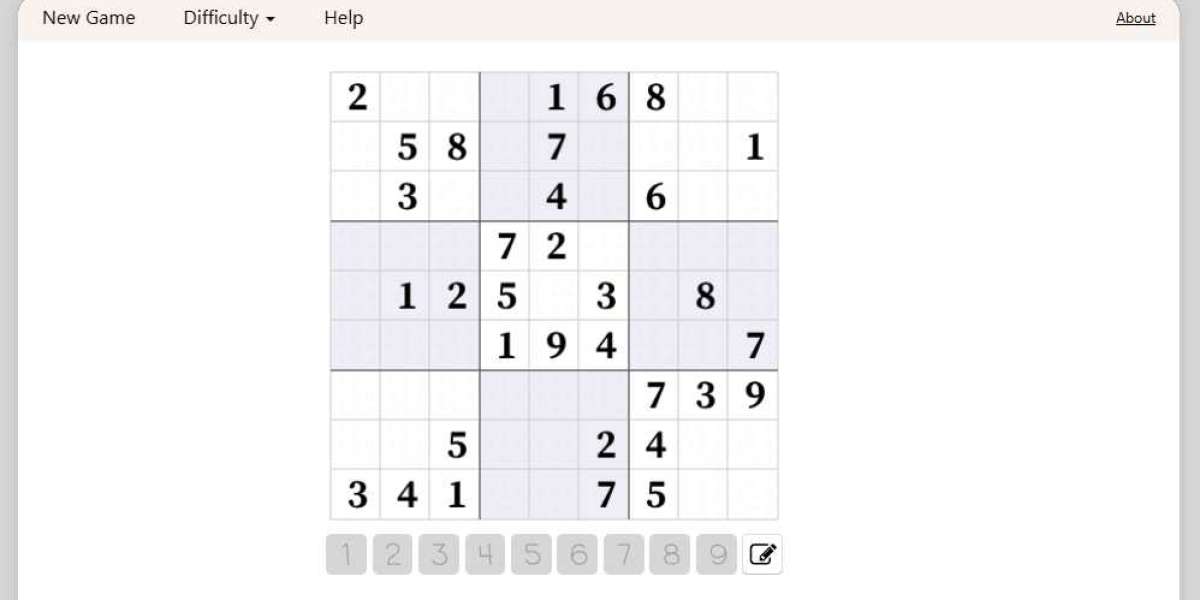
The standard Sudoku puzzle features a 9x9 grid divided into nine smaller 3x3 sections. The objective is straightforward: fill every empty cell with numbers from 1 to 9. Each row, column, and 3x3 section must contain every number exactly once. While the concept is easy to understand, completing a challenging puzzle often requires careful observation and logical deduction.
Sudoku has remained popular for decades because every puzzle presents a fresh challenge. Even experienced players continue to discover new strategies and techniques that improve performance. This balance between simplicity and complexity keeps Sudoku engaging for beginners and experts alike.
Why Sudoku Improves Logical Thinking
One of the biggest reasons for the popularity of Sudoku is the mental exercise it provides. Every puzzle encourages players to analyze patterns, eliminate possibilities, and make informed decisions based on available information.
Developing Pattern Recognition Skills
Pattern recognition plays a major role in Sudoku success. Players constantly scan rows, columns, and sections to identify missing numbers and possible placements. As experience grows, recognizing patterns becomes faster and more intuitive.
This skill extends beyond the puzzle itself. Many people find that regular Sudoku practice helps improve concentration and analytical thinking in daily activities. The process of identifying relationships between numbers strengthens logical reasoning over time.
Strengthening Focus and Attention
Sudoku requires sustained concentration. A single incorrect number can affect the entire puzzle, making attention to detail extremely important. Players learn to carefully evaluate every move before placing a number.
Consistent practice encourages patience and discipline. These qualities are valuable in academic environments, professional settings, and personal projects where careful analysis is necessary.
Understanding the Basic Rules of Sudoku
Learning Sudoku begins with understanding a few simple rules. Every puzzle follows the same structure regardless of difficulty level.
Filling Rows Correctly
Each row must contain the numbers 1 through 9 exactly once. No number can appear twice in the same row. When examining a row, players identify missing numbers and determine where they belong based on existing placements.
Completing Columns Accurately
Columns follow the same principle as rows. Every column must include all numbers from 1 to 9 without repetition. Comparing rows and columns often reveals valuable clues that help solve difficult sections.
Managing the 3x3 Sections
Each 3x3 section must also contain all numbers from 1 to 9. These smaller areas frequently provide the key information needed to complete larger portions of the puzzle. Successful players constantly evaluate relationships between sections, rows, and columns.
Popular Strategies for Solving Sudoku
While simple puzzles can often be solved quickly, advanced Sudoku challenges require effective strategies. Understanding these methods can significantly improve performance.
Scanning for Obvious Numbers
Scanning is one of the first techniques new players learn. This method involves searching rows, columns, and sections for numbers that have only one possible location. Filling obvious positions creates additional opportunities throughout the puzzle.
Many easy and medium puzzles can be completed primarily through careful scanning and observation.
Using Candidate Elimination
Candidate elimination involves identifying all possible numbers for a specific cell and gradually removing impossible options. As more numbers are placed, the list of candidates becomes smaller until only one valid choice remains.
This strategy forms the foundation of advanced Sudoku solving and helps players handle increasingly difficult puzzles.
Looking for Hidden Opportunities
Experienced players often search for hidden singles and unique placements. These situations occur when a number appears to have several options at first glance but actually fits in only one location within a row, column, or section.
Recognizing these opportunities requires practice and attention to detail, but mastering them can greatly improve solving speed.
Different Sudoku Variations to Explore
Traditional Sudoku remains the most popular version, but many exciting variations add new challenges and experiences.
Mini Sudoku
Mini Sudoku uses smaller grids, making puzzles faster to complete. These compact versions are ideal for beginners or players who want a quick mental workout during short breaks.
Killer Sudoku
Killer Sudoku combines traditional logic with arithmetic elements. Groups of cells contain target sums, adding another layer of complexity and strategy. This variation appeals to players who enjoy mathematical reasoning.
Samurai Sudoku
Samurai Sudoku features multiple overlapping grids connected together. Solving these large puzzles requires advanced planning and patience. Many experienced enthusiasts consider Samurai Sudoku one of the most rewarding puzzle formats available.
Benefits of Playing Sudoku Regularly
Regular Sudoku practice offers more than simple entertainment. Many players appreciate the positive impact on cognitive skills and daily mental performance.
Improved concentration is one commonly reported benefit. The focus required to complete puzzles helps train the mind to maintain attention for extended periods. Problem-solving abilities may also improve because players constantly evaluate information and make logical decisions.
Stress relief is another reason many people enjoy Sudoku. Focusing on a puzzle can provide a temporary break from daily responsibilities and distractions. The satisfaction of completing a challenging grid often creates a sense of accomplishment and relaxation.
Sudoku is also highly accessible. Printed puzzles appear in newspapers, magazines, and books, while digital versions are available on computers, tablets, and smartphones. This convenience allows players to enjoy the game almost anywhere.
Tips for Becoming a Better Sudoku Player
Improvement comes through consistent practice and a willingness to learn new techniques. Beginners should start with easy puzzles to build confidence and understand fundamental strategies.
Taking time to analyze mistakes is equally important. Reviewing completed puzzles can reveal patterns in decision-making and highlight areas for improvement. Gradually increasing puzzle difficulty helps develop stronger logical thinking and problem-solving skills.
Patience remains one of the most valuable qualities for Sudoku success. Difficult puzzles may require multiple approaches before progress becomes apparent. Staying focused and methodical often leads to breakthroughs even in the most challenging grids.
Conclusion
Sudoku continues to attract puzzle enthusiasts around the world because it delivers a perfect balance of simplicity, challenge, and mental stimulation. The straightforward rules make the game easy to learn, while advanced strategies provide endless opportunities for growth and improvement.