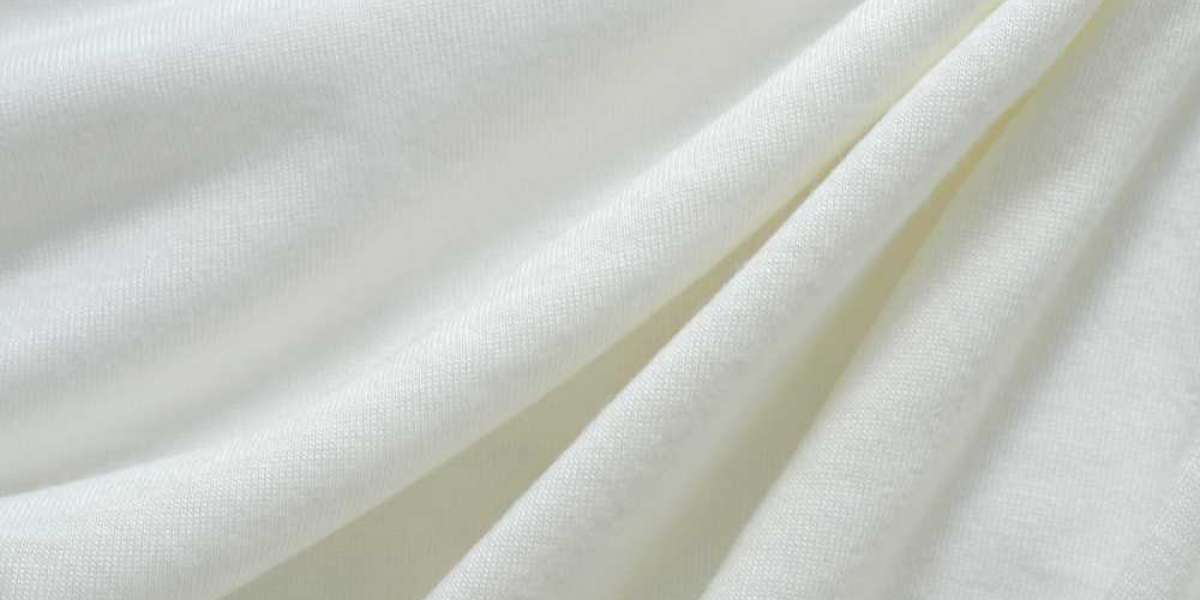
Cotton fabric remains the backbone of Los Angeles fashion production because it balances durability, comfort, and cost. Designers and garment manufacturers need suppliers who offer consistent quality, industrial-scale capacity, and transparent production tracking. Fabriclore Pvt Ltd is one such supplier, offering cotton fabric by the yard through both local showrooms and online ordering, built for brands that need reliability at scale.
Cotton fabric stays essential for designers and garment manufacturers across Los Angeles. The city's fashion industry moves fast, and brands depend on steady access to quality materials to keep production on schedule. Whether you're cutting samples for a new collection or placing a bulk order for retail, the fabric you choose determines your final product's feel, durability, and price point.
Los Angeles remains one of the largest garment manufacturing hubs in the country, home to thousands of cut-and-sew operations, private label brands, and independent designers. That density creates real demand for fabric wholesalers who can deliver on time, every time. Understanding your cotton options and knowing which suppliers can actually meet your production timeline makes the difference between a smooth launch and a missed deadline.
This guide breaks down what matters most when sourcing cotton fabric in Los Angeles, from fabric specifications to supplier evaluation, so you can make faster, more confident purchasing decisions.
Why Does Cotton Fabric Matter for LA Fashion Manufacturers?
Cotton fabric works across nearly every product category. Apparel brands use it for t-shirts, shirting, and denim. Activewear labels blend it with performance fibers for breathable basics. Home goods companies rely on it for everything from bedding to upholstery. Few fibers offer this level of versatility at a comparable price point.
Quality standards in Los Angeles have climbed as competition has grown. Retail buyers and private label clients expect consistent thread count, color accuracy, and hand feel across every batch. A single inconsistent shipment can delay a production run or damage a brand's reputation with retail partners.
Sustainability has also become a real purchasing factor, not just a marketing line. Consumers increasingly ask where their clothing comes from, and brands need suppliers who can answer that question with actual data, not vague claims. Working with mills that offer traceable sourcing and documented quality control gives manufacturers a stronger story to tell their own customers.
How Do You Find the Right Cotton Fabric Supplier in Los Angeles?
Sourcing cotton fabric in Los Angeles means balancing speed, scale, and reliability.
Industrial-scale capacity matters for bulk orders. Smaller suppliers may handle sample runs well but struggle once an order moves into the tens of thousands of yards. Manufacturers need partners who can scale production without sacrificing turnaround time.
Digital platforms have changed how fabric gets sourced. Instead of relying solely on in-person showroom visits, many fabric wholesalers now offer online catalogs, real-time stock tracking, and digital ordering tools. This shift saves time for designers who need to compare options quickly before committing to a bulk purchase.
Supplier reliability should be verified, not assumed. Ask for references, review past order histories if available, and confirm how a supplier handles quality control before placing a large order. A supplier's ability to deliver consistent cotton fabric by the yard, order after order, is the clearest signal of long-term reliability.
What Factors Should You Check When Sourcing Cotton Fabric?
A few technical details separate a good cotton fabric order from a problematic one:
- Thread count and fabric weight. These determine drape, durability, and suitability for your garment category. A lightweight cotton voile behaves very differently from a heavyweight cotton canvas.
- Dyeing and finishing options. Confirm whether your supplier offers piece-dyeing, yarn-dyeing, or printing, and whether they can match your brand's exact color standards.
- Lead times and minimum order quantities. Smaller brands often need lower MOQs for testing new styles, while larger manufacturers need guaranteed lead times for retail deadlines.
- Pricing structures and volume discounts. Understand how pricing shifts at different order volumes so you can plan budgets accurately as your business scales.
Getting clear answers on these four points before placing an order reduces the risk of delays or unexpected costs later in production.
How Has Cotton Sourcing Evolved From Transactions to Partnerships?
Cotton sourcing used to be a transactional process: place an order, receive the fabric, repeat. That model is shifting toward long-term, strategic supplier relationships.
Modern fabric suppliers increasingly offer more than raw material. Many now provide design consultation, digital production tracking, and quality documentation for every batch. This level of service helps manufacturers plan production more accurately and catch quality issues before they reach the warehouse.
Digital governance tools, such as ERP systems that track fabric from the mill floor to final shipment, give manufacturers visibility they never had before. Instead of waiting until delivery to inspect a shipment, brands can monitor production status and quality checkpoints in real time.
Vertical integration, where a single supplier manages everything from fiber sourcing to dyeing to bulk processing, also reduces the number of handoffs in a supply chain. Fewer handoffs mean fewer opportunities for error, and a single point of accountability when something does go wrong.
Brands that build long-term partnerships with suppliers, rather than shopping around for the lowest price on every order, tend to see more consistent quality and fewer production delays over time.
What Does Fabriclore Offer for Cotton Supply Chain Solutions?
Fabriclore Pvt Ltd operates as one of the best local and online cotton fabric suppliers serving designers and garment manufacturers, including those sourcing for the Los Angeles market.
Fabriclore runs a distributed manufacturing network with a monthly processing capacity of 20 lakh meters (roughly 2 million meters), giving manufacturers the scale needed for large retail and export orders without the overhead of owning fixed machinery. This network includes small, medium, and large-scale production units, which adds flexibility during high-season demand spikes.
Every batch processed through Fabriclore's network is tracked through a digital quality system, with in-house QA teams stationed on-site at partner mills. This setup catches inconsistencies at the source rather than after the fabric has already shipped.
For designers who want to physically evaluate fabric before committing to a bulk order, Fabriclore's Experience Studio offers access to more than 5,000 base fabrics for hands-on selection. Every fabric available in the studio has already been vetted for scalability, so a design finalized in the showroom can move directly into bulk production without a second qualification step.
Fabriclore supports both small-batch sampling and industrial-scale bulk orders, making it a practical option for brands at different stages of growth, from emerging labels to established manufacturers sourcing cotton fabric by the yard for national retail distribution.
Choosing a Cotton Fabric Partner for Long-Term Growth
The cotton fabric supplier you choose affects more than just your material cost. It shapes your production timelines, your quality consistency, and ultimately, your ability to meet retail and customer expectations.
Los Angeles manufacturers benefit from working with local, strategic supply partners who understand the pace of the city's fashion industry while also offering the digital tools and transparency of modern production demands. As sourcing continues to shift toward partnership-based models, brands that build strong supplier relationships now will have a real advantage as they scale.
If you're evaluating fabric wholesalers for your next production run, start by checking their capacity, quality documentation, and ability to support both sample orders and bulk fulfillment. That groundwork pays off in fewer delays and more predictable results down the line.
Frequently Asked Questions
What is the typical minimum order quantity for cotton fabric in Los Angeles?
Minimum order quantities vary by supplier and fabric type. Smaller suppliers may accommodate sample orders of a few yards, while bulk-focused wholesalers often require higher minimums to support efficient production runs. Confirm MOQs directly with your supplier before placing an order.
How long does it take to source cotton fabric for a bulk production run?
Lead times depend on fabric availability, dyeing requirements, and order volume. Ready-stock cotton fabric can ship quickly, while custom dyeing or printing adds production time. Suppliers with distributed manufacturing networks, like Fabriclore, can often reduce lead times by routing orders to available capacity.
What risks come with choosing an unreliable cotton fabric supplier?
Unreliable suppliers can cause production delays, inconsistent color or quality across batches, and missed retail deadlines. Verifying a supplier's quality control process and reviewing past order history helps reduce this risk before committing to a large order.
Are there alternatives to buying cotton fabric by the yard for small brands?
Yes. Some suppliers offer swatch kits or sample programs for designers testing new styles before committing to bulk yardage. This approach works well for brands validating a design before placing a full production order.
Who should consider working with Fabriclore for cotton fabric sourcing?
Fabriclore suits designers who want hands-on fabric selection through a showroom, as well as manufacturers who need industrial-scale capacity for bulk retail or export orders. Its combination of local access and online ordering makes it a fit for brands at multiple stages of growth.