
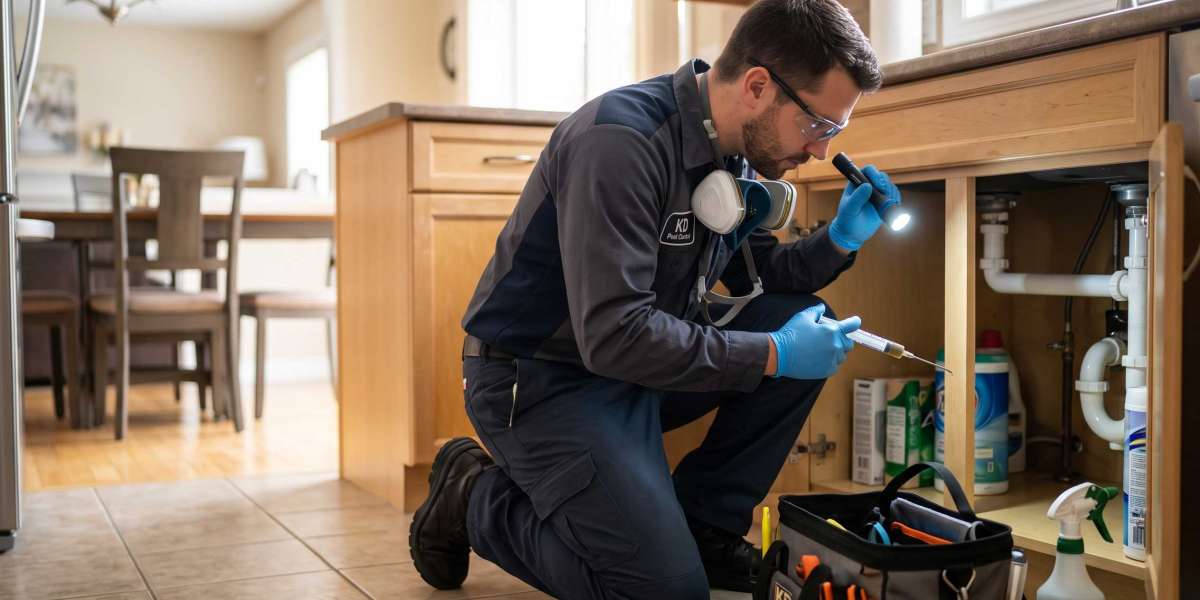
Scheduling an indoor extermination creates an immediate dilemma for animal owners. You need to eliminate household insects or rodents without exposing resident animals to chemical residues or airborne vapours. Prioritizing pet safety during pest control requires coordinating treatment methods with your technician, removing animals from active zones, and securing all food and bedding before application begins.
Different treatments carry vastly different exposure profiles. A targeted gel bait placed inside a wall void poses minimal risk compared to an aerosol space spray or a liquid baseboard application. By understanding how treatments work and how various species react to them, you can prepare your living space, avoid common re-entry mistakes, and keep every animal in your household protected.
Why Indoor Treatments Pose Unique Risks to Pets
Animals interact with indoor environments much closer to the floor than humans do, making them vulnerable to treated surfaces. While a person walks across a room in shoes, dogs and cats walk directly on baseboards and carpets with bare paws, lie on floors, and groom their fur shortly afterward. This natural behaviour turns minor surface contact into direct oral ingestion.
Biology also plays a major role in vulnerability. Smaller body mass means a minor chemical dose can have a much stronger physiological effect on a pet than on an adult human. Furthermore, certain species lack specific liver enzymes required to metabolize common active ingredients. For example, cats process synthetic pyrethroids very slowly, making products that are routine around dogs potentially hazardous for felines.
Preparing Your Home for Pet Safety During Pest Control
Effective preparation begins before the technician arrives and focuses on removing attraction points and contamination pathways. Leaving toys or water bowls in a treated room allows airborne droplets to settle on items that go straight into your animal's mouth.
Follow these numbered steps to prepare your interior spaces safely:
Discuss every resident species with your technician in advance so they can select appropriate formulations and share the exact product labels.
Pack a travel kit containing medications, leashes, litter boxes, and enough food for several hours away from the property.
Empty and wash all food and water dishes, then store them inside sealed plastic bins or take them with you.
Remove pet beds, scratching posts, plush toys, and chew bones from any room scheduled for liquid or aerosol application.
Vacuum carpets and mop hard floors before the appointment so you do not have to deep-clean immediately after the product is applied.
Securing Toys, Bedding, and Feeding Stations
Washable items left near baseboards can absorb liquid drift during crack-and-crevice spraying. Place all fabric bedding, crate liners, and rope toys inside closed closet doors or sealed garbage bags in an untreated zone. If automatic feeders or heavy water fountains cannot be moved easily, unplug them, empty their reservoirs, and wrap the entire unit tightly in heavy-duty plastic sheeting secured with tape.
Arranging Safe Off-Site Housing or Isolation
Relocating dogs, cats, and small mammals off-site is the most reliable precaution during liquid or aerosol treatments. In colder Canadian months or during extreme summer heat, never leave animals waiting inside a parked vehicle while the technician works. Arrange a visit with a family member, book a boarding facility, or use an untreated detached garage only if it has safe climate control.
Protecting Different Species by Sensitivity
Not all household animals face the same biological risks during an indoor application. Mammals, birds, reptiles, and aquatic life absorb compounds through different pathways, requiring tailored containment strategies for each group.
Dogs and Cats
Dogs frequently investigate new scents and may lick freshly treated baseboards or chew on poorly secured bait placements. Cats are less likely to eat non-food baits, but their meticulous grooming habits mean anything that brushes against their coat or paws will eventually be swallowed. Keep both species completely out of treated rooms until every liquid application has dried thoroughly and the space has been ventilated.
Birds, Reptiles, and Small Mammals
Avian respiratory systems are exceptionally efficient and highly sensitive to airborne particulates, vapours, and odour-masking agents. Even low-odour liquid sprays can trigger respiratory distress in parrots, finches, and canaries. Reptiles and amphibians also absorb substances easily through their skin or respiratory tracts. Always remove cages and terrariums from the premises, and allow extra ventilation time before bringing them back inside.
Fish and Aquatic Life
Fish and aquatic invertebrates are acutely sensitive to dissolved pesticides, and heavy glass aquariums usually cannot be moved out of the house. Before treatment starts, turn off all air pumps and external filtration systems that draw room air into the water. Cover the entire top of the tank with plastic wrap or a damp towel, and tape the edges shut to block airborne droplets.
Understanding Treatment Types and Drying Times
The formulation used inside your home determines how long animals must stay away. Liquid perimeter sprays applied along baseboards and door frames pose a transfer risk while wet, as damp residues stick easily to fur and paws. Once the liquid dries completely into a crystalline or bonded film, the risk of dermal transfer drops significantly.
Targeted gel baits and tamper-resistant rodent bait stations work differently. Technicians apply microscopic dabs of gel inside cabinetry hinges, plumbing voids, and appliance motors where paws and tongues cannot reach. When rodents are the target, locked plastic stations prevent dogs and cats from accessing the bait block inside. Ask your provider whether any dust formulations, such as boric acid or silica aerogel, were applied behind wall plates, and confirm that all entry holes are sealed.
Safe Re-Entry and Post-Treatment Monitoring
Returning home requires checking physical conditions rather than simply watching the clock. Although many standard indoor liquid applications dry within two to four hours, high indoor humidity, cool basement temperatures, or poor airflow can extend that timeline considerably.
Before releasing animals from their carriers, walk through the treated rooms yourself. Open windows and run exhaust fans for twenty to thirty minutes to clear any lingering solvent odours. Inspect corners, unsealed concrete, and hard flooring to verify that no puddles or damp streaks remain. If you notice visible pooling or unsealed bait granules on an open floor, keep your pets confined and contact the service provider to clean or secure the area.
Once your animals are back in their normal routine, monitor them closely for the first twenty-four hours. Watch for unusual lethargy, excessive drooling, muscle tremors, vomiting, or paw flicking. If you suspect an animal has contacted a wet surface or chewed a bait station, contact a veterinarian immediately and keep the technician's service record handy so you can report the exact active ingredient used.
Key Takeaways
Share a complete list of resident animals with your technician before the appointment so treatment methods match their biological sensitivities.
Remove or tightly seal all food bowls, water dishes, bedding, and chew toys to prevent accidental residue contamination.
Shut off aquarium air pumps and seal tank openings with plastic wrap when heavy fish tanks cannot be relocated.
Verify that all liquid applications are completely dry to the touch and ventilate the home before allowing animals back inside.
Keep service records listing active ingredients accessible in case you ever need to consult a veterinarian after an application.
Making Confident Pest Control Decisions
Managing household pests does not mean compromising the health of the animals living under your roof. When you combine clear technician communication, thorough room preparation, and patient re-entry checks, you eliminate most indoor exposure hazards before they happen. If you want help planning a household treatment around your animals, contact KD Pest Control to discuss your options.
FAQs About Pet Safety During Pest Control
1. How long must pets stay out after indoor spraying?
Most liquid indoor treatments require animals to stay out for two to four hours until surfaces dry completely. However, high humidity or cool indoor temperatures can slow evaporation. Always follow the specific product label instructions provided by your technician and verify that baseboards are dry before allowing re-entry.
2. Are gel baits safe around dogs and cats?
Yes, gel baits are generally low-risk when applied properly inside narrow cracks, crevices, and appliance voids where pets cannot reach them. The active ingredients are present in very small concentrations, and professional placement keeps the gel hidden from curious noses and paws throughout the treatment cycle.
3. What should I do if I cannot move my fish tank?
Turn off all air pumps and external filters that push room air into the tank water before treatment begins. Cover the entire top of the aquarium tightly with plastic wrap or a damp, clean towel, and restore airflow only after the room has been thoroughly ventilated.
4. Can cats walk on baseboards after spray dries?
Once a feline-appropriate liquid product has dried completely on the baseboard, the residue binds to the surface and rarely transfers to dry paws. You must confirm with your technician beforehand that the chosen formula contains no concentrated permethrin or other pyrethroids that are hazardous to cats.
5. Should I wash floors before bringing pets back?
No, you should not mop or wash treated baseboards and perimeter edges unless the technician noticed an accidental spill. Washing treated zones removes the protective barrier needed to control the pest problem. Clean your floors before the appointment, and leave the dried perimeter band undisturbed afterward.
6. Why are pet birds extra sensitive to pest sprays?
Birds have specialized respiratory systems with air sacs that exchange gases much more efficiently than mammal lungs. This anatomy makes them highly vulnerable to fine aerosol droplets, solvent vapours, and strong odours. Birds should always be removed from the home and returned only after extended ventilation.
7. Can dogs break into rodent bait stations?
Professional tamper-resistant bait stations are built from heavy plastic and require a specialized key to open, which prevents most pets from reaching the bait inside. For large or determined dogs, technicians should anchor the stations to floors or walls so the boxes cannot be chewed or flipped.
8. What symptoms suggest a pet touched wet pesticide?
Common signs of accidental exposure include sudden drooling, paw licking, vomiting, diarrhea, muscle twitching, unsteady walking, or unusual lethargy. Skin redness or ear flicking can also occur after dermal contact. If any of these symptoms appear, move the animal to fresh air and call a veterinarian.
9. Do botanical or natural sprays require pet removal?
Yes, botanical and essential-oil sprays still require removing animals during application and drying. Concentrated plant oils such as peppermint, clove, citrus, and tea tree can irritate respiratory tracts and cause liver toxicity in cats and small animals if inhaled or groomed off their fur.
10. What details should I keep for my veterinarian?
Ask your technician for a written service report listing the exact trade name, active ingredients, concentration, and registration number of every product applied indoors. Having this documentation ready allows a veterinarian to evaluate potential exposure immediately and provide targeted care without guessing the chemical class.



