
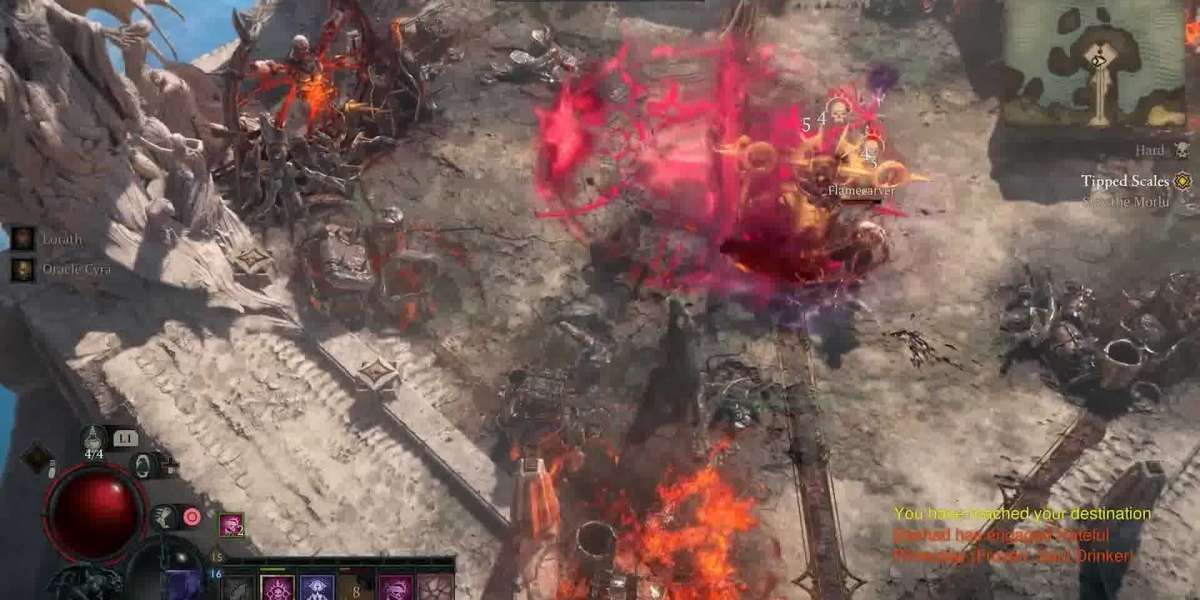
Playing with a group in Diablo 4 can change how players approach difficult encounters, dungeon progression, and seasonal farming. However, a party does not automatically become more efficient simply because several characters are fighting together. Successful group play depends on complementary builds, coordinated movement, and clear decisions about how to distribute time between combat and rewards. Suitable Diablo 4 Items can strengthen individual characters, but teamwork determines how effectively the group uses those strengths.
Whether you regularly play with friends or join temporary parties, establishing a few simple habits can reduce downtime and make challenging content easier to manage.
Build a Balanced Party
A productive party should combine damage, survivability, and useful combat support. Four characters built around identical strengths may clear some encounters quickly, but the group can struggle if everyone shares the same weaknesses.
Before starting a difficult activity, discuss each character's primary role. Some players may focus on eliminating large enemy groups, while others specialize in boss damage, crowd control, or maintaining reliable survival.
These roles do not need to be rigid. The main objective is to ensure that the party can handle different encounter types without repeatedly changing equipment or restarting activities.
Coordinate Movement and Objectives
Unnecessary movement can waste a surprising amount of time during multiplayer sessions. When party members travel in different directions or pursue unrelated objectives, the group loses some of the efficiency that makes cooperative play attractive.
Agree on the next destination before beginning an activity. During dungeon runs, avoid backtracking unless an important objective or reward justifies the detour.
If a teammate needs to collect equipment or manage inventory, use that pause to review the next activity rather than leaving the entire party waiting without a plan.
Improve Boss Fight Coordination
Boss encounters become more manageable when players understand their responsibilities. Instead of everyone reacting independently, coordinate damage windows, defensive abilities, and positioning.
Watch the boss's attack patterns and avoid crowding into dangerous areas simply because the rest of the party is nearby. A surviving player who continues dealing damage is more valuable than someone who repeatedly falls during avoidable attacks.
If the group fails an encounter, identify the main problem before trying again. The solution may involve better positioning, stronger defenses, or a more suitable damage rotation rather than simply increasing equipment power.
Share Knowledge About Equipment
Multiplayer sessions provide opportunities to compare builds and discuss useful equipment combinations. However, an item that performs exceptionally well for one character may not benefit another character with different skills or resource requirements.
When reviewing Diablo 4 Items, focus on how their affixes and effects interact with the intended build. Discussing these details can help teammates make better decisions without blindly copying another player's setup.
Players should also respect individual progression goals. One teammate may prioritize boss farming, while another needs crafting materials or experience. Agreeing on shared objectives helps prevent disagreements over which activity to complete next.
Keep Group Farming Efficient
Long farming sessions can become inefficient when inventory management and preparation are ignored. Establish short breaks between activities to salvage unwanted equipment, review upgrades, and prepare for the next run.
Choose content that the party can complete consistently. Increasing difficulty is worthwhile only when the additional challenge does not cause excessive deaths or dramatically slower clears.
A reliable farming rhythm usually produces better results than repeatedly attempting content that the group is not prepared to handle.
Avoid Common Multiplayer Mistakes
A few habits can improve almost any party session:
Agree on the activity before spending time traveling.
Check equipment and consumables before difficult encounters.
Avoid unnecessary detours during objective-based runs.
Communicate important mechanics instead of assuming everyone knows them.
Review failed attempts and change the strategy when necessary.
These adjustments require little preparation but can make cooperative sessions considerably smoother.
Turn Teamwork Into Long-Term Progress
Effective multiplayer play is built on preparation, communication, and realistic goals. When each character contributes reliably and the party follows a clear plan, challenging activities become easier to manage and farming time becomes more productive.
Players who want to strengthen their individual contribution can compare buy Diablo 4 materials against their build's specific weaknesses. If an equipment gap continues to limit performance, they can buy Diablo 4 Items that complement their chosen setup. Combined with coordinated gameplay and sensible upgrade decisions, this approach supports more consistent progress throughout the season.



