
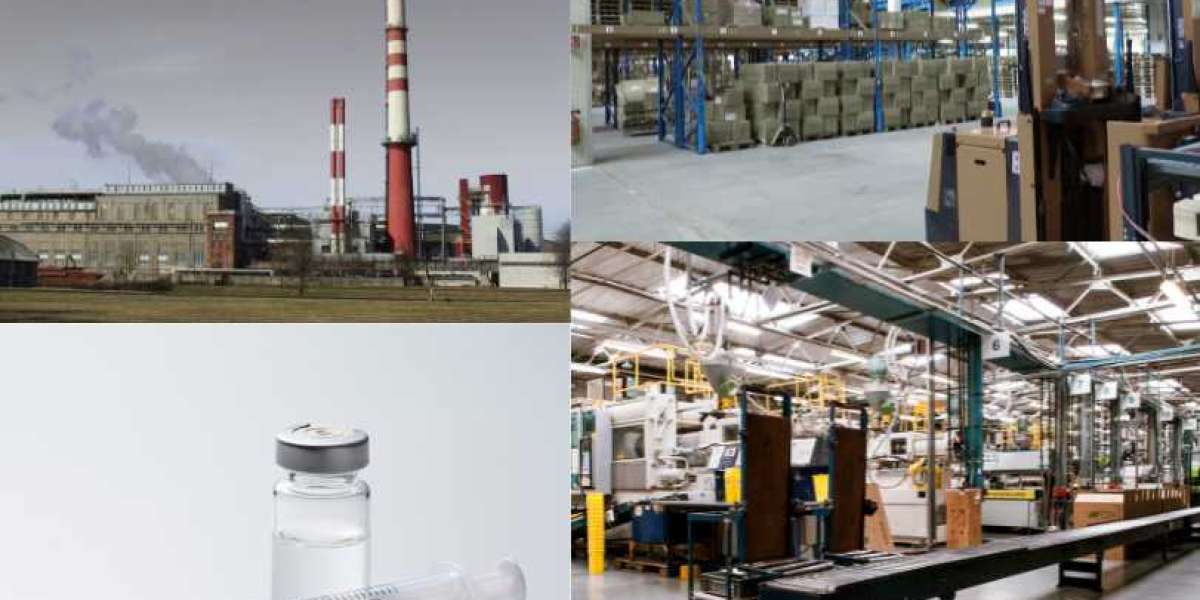
The manufacturing industry in the Philippines has experienced significant growth over the years, supported by increasing demand for quality products, expanding industrial activities, and advancements in production technology. Among the various manufacturing processes, plastic injection molding plays an important role in producing durable, lightweight, and cost-effective plastic components for different industries.
From automotive parts and electronic housings to household products and packaging materials, injection-molded plastic components are used in many everyday applications. As businesses look for reliable and efficient manufacturing solutions, the demand for plastic injection molding manufacturing Philippines continues to create new opportunities for manufacturers and suppliers.
At the same time, changing customer expectations, environmental concerns, and technological developments are influencing how plastic products are designed and manufactured. Other processes, such as thermoforming, are also gaining attention for applications that require customized plastic shapes and packaging solutions.
Let's explore the major trends shaping the future of the plastic injection molding industry in the Philippines.
1. Increasing Demand for High-Quality Plastic Products
One of the biggest trends in the Philippine plastic manufacturing sector is the growing demand for high-quality plastic components. Industries such as automotive, electronics, healthcare, construction, and consumer goods rely on plastic parts for their functionality, durability, and affordability.
Injection molding offers manufacturers an efficient way to produce large quantities of identical components with consistent dimensions. Once the mold is developed and production parameters are properly established, manufacturers can produce thousands of parts with minimal variation.
For example, automotive manufacturers use injection-molded plastics for interior panels, dashboard components, clips, and other vehicle parts. Electronics companies also depend on precision-molded plastic housings to protect sensitive components.
As these industries continue to develop, plastic injection molding manufacturing Philippines is expected to remain an important part of the country's manufacturing ecosystem.
2. Adoption of Advanced Injection Molding Technology
Technology is changing the way plastic manufacturing facilities operate. Traditional injection molding equipment is gradually being complemented by modern machines that offer better precision, energy efficiency, and production control.
Many manufacturers are exploring electric and hybrid injection molding machines to improve operational performance. These machines can provide more accurate control over injection pressure, speed, and other production parameters.
Modern equipment can also help reduce material waste and improve product consistency when properly configured.
Another important development is the use of computer-aided design (CAD) and computer-aided engineering (CAE) software. These technologies allow engineers to develop product designs, evaluate mold performance, and identify potential manufacturing problems before production begins.
By investing in advanced equipment and design technologies, manufacturers in the Philippines can improve their competitiveness and meet the increasing expectations of local and international customers.
3. Growing Importance of Automation and Robotics
Automation is becoming an important part of modern plastic injection molding operations. As manufacturers aim to improve productivity and maintain consistent product quality, robotic systems are being introduced into different stages of the manufacturing process.
Robots can perform repetitive tasks such as removing molded parts from machines, transferring components, arranging finished products, and assisting with packaging.
Automated systems can also support quality inspection by identifying visible defects and checking product dimensions.
The advantages of automation include:
- Improved production consistency.
- Reduced manual handling.
- Faster manufacturing operations.
- Better workplace efficiency.
- Reduced risk of repetitive handling errors.
- More effective use of production resources.
Although automation requires an initial investment, it can provide long-term benefits for manufacturers with regular production requirements.
For companies involved in plastic injection molding manufacturing Philippines, automation offers an opportunity to improve production capacity while maintaining reliable quality standards.
4. Sustainable Manufacturing and Eco-Friendly Materials
Environmental sustainability is becoming a major consideration across the global plastics industry. Manufacturers are facing increasing pressure to reduce waste, improve resource efficiency, and explore more environmentally responsible materials.
The Philippine plastic manufacturing sector is also part of this changing landscape.
One important approach is the use of recycled plastic materials. Depending on the application and required specifications, recycled polypropylene, polyethylene, and other suitable polymers can be incorporated into manufacturing processes.
However, material selection requires careful consideration. Recycled plastics must meet the necessary performance, safety, and quality requirements before being used in specific products.
Manufacturers are also working to reduce production waste through better mold design, optimized machine settings, and improved material handling.
Energy-efficient equipment and responsible water management can further support sustainable manufacturing practices.
These changes are helping manufacturers move towards production methods that balance commercial performance with environmental responsibility.
5. Expansion of Thermoforming Plastic Products in the Philippines
While injection molding remains an important manufacturing process, thermoforming is another technology supporting the growth of the Philippine plastics industry.
Thermoforming involves heating a plastic sheet until it becomes flexible and then shaping it over or into a mold using vacuum, pressure, or mechanical force.
This process is commonly used to manufacture trays, food containers, protective packaging, display products, and customized plastic components.
The growing interest in thermoforming plastic products Philippines reflects the demand for versatile plastic packaging and lightweight products across several industries.
Thermoforming and injection molding serve different manufacturing requirements.
Injection molding is generally suitable for producing detailed components in high volumes, while thermoforming can be a practical option for larger, relatively shallow products made from plastic sheets.
Both technologies offer opportunities for manufacturers looking to serve different customer needs.
Businesses can select the most appropriate process based on product design, production quantity, material requirements, tooling investment, and overall budget.
6. Customization and Product Design Innovation
Modern customers increasingly expect products that meet specific functional and design requirements. This has encouraged plastic manufacturers to offer more customized production solutions.
Injection molding makes it possible to manufacture plastic components in different shapes, sizes, colors, and material specifications.
Businesses can work with manufacturers to develop custom molds for products such as electronic enclosures, industrial components, household accessories, and automotive parts.
Product customization often begins with detailed design planning. Engineers evaluate factors such as wall thickness, material flow, cooling requirements, shrinkage, and dimensional tolerances.
Proper planning can help reduce production problems and improve the final product.
Three-dimensional modeling and simulation tools are also making product development more efficient. Manufacturers can review designs and identify potential improvements before committing to expensive tooling.
This approach helps businesses save development time and achieve better results when introducing new plastic products.
7. Stronger Focus on Quality Control and Product Consistency
Quality control is essential in plastic injection molding because even minor variations can affect the performance and appearance of finished products.
Manufacturers are increasingly focusing on standardized inspection procedures and improved production monitoring to maintain consistent quality.
Common quality control practices include:
- Checking raw materials before production.
- Monitoring injection pressure and temperature.
- Inspecting molded products for surface defects.
- Measuring critical product dimensions.
- Testing mechanical properties where required.
- Maintaining proper production records.
Some manufacturing facilities also use automated inspection equipment to identify defects more efficiently.
Consistent quality management is especially important for businesses supplying components to automotive, electronics, medical, and other industries with specific product requirements.
For the plastic injection molding manufacturing Philippines sector, strong quality control can help build customer confidence and support opportunities in international markets.
8. Growth of Packaging and Consumer Goods Applications
Packaging and consumer goods represent important application areas for plastic manufacturing.
Food containers, storage products, household accessories, protective packaging, and personal care packaging are examples of products that may use injection molding or other plastic processing technologies.
As retail, food services, logistics, and consumer markets evolve, manufacturers are expected to respond to changing product requirements.
Lightweight packaging, customized designs, improved durability, and efficient production are some of the factors influencing product development.
Thermoforming plastic products Philippines also have an important role in packaging applications, particularly for trays, clamshell containers, and protective inserts.
Manufacturers that understand the differences between injection molding and thermoforming can provide more suitable solutions for different packaging requirements.
At the same time, businesses must consider applicable food-contact regulations, material safety, and environmental requirements when developing packaging products.
9. Digitalization and Smart Manufacturing
Digital technology is helping manufacturers improve production planning, equipment monitoring, and operational efficiency.
Smart manufacturing systems can collect information from machines and production equipment to provide a clearer picture of factory performance.
For example, monitoring systems can track machine operating time, production cycle duration, energy consumption, and equipment performance.
This information helps production managers identify inefficiencies and make improvements.
Predictive maintenance is another useful development. By monitoring machine performance, manufacturers can identify potential equipment problems before they lead to unexpected breakdowns.
Digital inventory management and production planning systems can also improve material availability and reduce unnecessary delays.
As more manufacturers embrace digital solutions, the Philippine plastic industry has opportunities to develop more efficient and responsive production operations.
10. Opportunities in Domestic and International Markets
The Philippines has opportunities to strengthen its position in the regional manufacturing supply chain. Its growing industrial base and access to regional markets create potential opportunities for plastic component manufacturers.
Businesses in electronics, automotive, packaging, construction, and consumer goods may require reliable suppliers capable of producing consistent plastic components.
Manufacturers that invest in modern equipment, skilled workers, quality management, and sustainable production practices can improve their ability to serve these customers.
However, competing in international markets requires more than production capacity. Companies must also understand customer specifications, delivery expectations, product certifications, and relevant export requirements.
Building long-term relationships with customers and maintaining dependable production standards will remain important for manufacturers looking to expand their market presence.
Conclusion
The future of the plastic manufacturing industry in the Philippines will be shaped by technological innovation, changing customer expectations, and increasing attention to sustainability.
Advanced injection molding machines, automation, customized product development, digital manufacturing, and improved quality control are creating new opportunities for manufacturers across the country.
At the same time, thermoforming plastic products Philippines are contributing to the industry's development by providing additional solutions for packaging, trays, containers, and other plastic applications.
As demand for quality plastic components continues to evolve, plastic injection molding manufacturing Philippines will remain an important part of the country's industrial growth.
Manufacturers that focus on innovation, efficient production, responsible material selection, and consistent quality will be better positioned to meet future market demands and build lasting business relationships.



