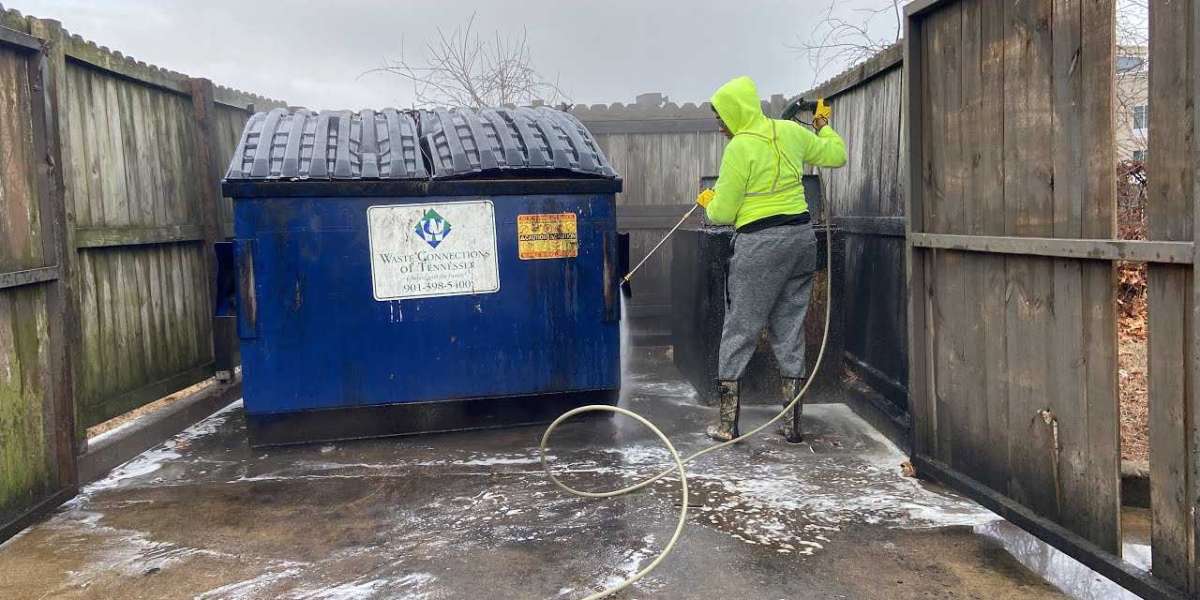
Commercial dumpster areas are essential to the daily operations of restaurants, shopping centers, apartment complexes, warehouses, and office buildings. However, these spaces can quickly become dirty when food waste, leaking trash bags, grease, and other debris accumulate around waste containers. Without regular maintenance, unpleasant odors, pest activity, and unsanitary conditions can become ongoing problems for property owners and managers.
Professional commercial dumpster pad cleaning helps businesses maintain cleaner waste disposal areas by removing accumulated grease, grime, food residue, and other contaminants from surrounding surfaces. A consistent cleaning routine supports better property hygiene, improves the appearance of service areas, and helps create a more manageable environment for employees, tenants, and waste collection personnel.
Why Commercial Dumpster Areas Need Regular Cleaning
Dumpster pads experience frequent use throughout the day. Employees dispose of waste, collection vehicles empty containers, and trash bags may leak during handling. These activities can leave behind organic residue, grease, liquid spills, and debris that gradually build up on concrete surfaces.
When this contamination remains untreated, the area can develop persistent odors and attract insects or rodents. Spilled liquids may also spread across nearby surfaces, making the surrounding environment increasingly difficult to maintain.
Regular dumpster area maintenance helps address these problems before they become more serious. It also demonstrates that a business takes its waste management responsibilities and overall property cleanliness seriously.
Common Problems Caused by Dirty Dumpster Pads
Understanding the issues associated with neglected dumpster areas helps property managers recognize why routine cleaning matters.
Persistent Odors
Food waste, leaking liquids, and decomposing organic materials can produce unpleasant smells. During hot weather, these odors may become more noticeable, particularly when waste remains around containers for extended periods.
Cleaning helps remove residue that contributes to these smells. However, persistent odors may also indicate problems with waste handling, container condition, or drainage that require additional attention.
Grease and Liquid Buildup
Restaurants, commercial kitchens, and food-related businesses often deal with grease and food residue around waste disposal areas. When these substances collect on concrete, they can create slippery patches and stubborn stains.
Professional pressure washing can help remove surface contamination using suitable cleaning products and equipment. For heavier grease buildup, specialized degreasers may be needed to achieve an effective result.
Pest Attraction
Food particles and organic waste can attract flies, insects, rodents, and other unwanted pests. A poorly maintained dumpster enclosure provides an environment where these problems may develop.
Regular cleaning reduces accessible food residue around containers and helps support broader pest prevention efforts. Properly closed dumpsters, secure waste bags, and timely waste collection remain equally important.
Unattractive Commercial Surroundings
Dumpster areas are often positioned away from customer entrances, but their condition still affects the overall property. Employees, delivery drivers, tenants, and maintenance personnel may regularly use these spaces.
Visible stains, overflowing debris, and unpleasant odors can create a negative impression. Maintaining clean waste disposal areas contributes to a more organized and professionally managed facility.
How Professional Dumpster Pad Cleaning Works
Professional cleaning involves more than simply spraying concrete with water. The cleaning approach should address the type of contamination, surface condition, drainage arrangement, and surrounding property features.
Initial Inspection and Preparation
Before cleaning begins, the service provider should inspect the dumpster pad and identify areas with heavy grease, food residue, stains, and standing liquid. The team should also check nearby walls, gates, drains, and surfaces that may require additional protection.
Loose debris and waste should be removed before washing. Where necessary, dumpsters may need to be moved so that the concrete underneath and surrounding areas can be cleaned properly.
Applying Appropriate Cleaning Solutions
Different contaminants require different cleaning treatments. Grease and food residue may need a suitable degreasing solution, while general dirt and organic buildup may respond to other cleaning products.
The products should be selected according to the surface material and cleaning requirements. Careful application helps improve cleaning results while reducing unnecessary chemical exposure to surrounding landscaping and drainage systems.
Pressure Washing and Surface Rinsing
Once the appropriate treatment has been applied, professional pressure washing equipment can help remove loosened contamination from concrete surfaces. The pressure level should be adjusted to avoid damaging the concrete, joints, coatings, or nearby structures.
Proper rinsing is equally important. Wastewater should be managed responsibly rather than allowing contaminated runoff to enter storm drains or spread into surrounding areas.
Benefits of Professional Dumpster Area Maintenance
Scheduling professional dumpster pad washing offers several practical advantages for commercial properties.
Improved cleanliness: Removing grease, food residue, and accumulated dirt helps maintain a cleaner environment around waste containers.
Better odor management: Eliminating organic residue can reduce sources of unpleasant smells, although proper waste disposal and container maintenance are also necessary.
Reduced surface hazards: Removing greasy contamination may help address slippery conditions, but cleaning should be combined with repairs and appropriate safety measures where needed.
Better property appearance: Clean dumpster enclosures contribute to a more organized commercial facility, even in areas that customers rarely see.
Easier ongoing maintenance: Regular cleaning prevents excessive buildup and can make future maintenance appointments more manageable.
These benefits are especially valuable for restaurants, grocery stores, shopping centers, apartment communities, and businesses that generate significant amounts of daily waste.
How Often Should Commercial Dumpster Pads Be Cleaned?
There is no universal cleaning schedule for every business. The ideal frequency depends on waste volume, container usage, weather exposure, the type of business, and the amount of grease or food residue produced.
Restaurants and food service establishments may require more frequent cleaning because organic waste and grease can accumulate quickly. Retail centers and office buildings may need less frequent service, depending on their waste disposal activity.
In Dallas-Fort Worth, warm weather can make odor management particularly important during summer. Property managers should inspect dumpster areas regularly and arrange cleaning whenever visible residue, persistent odors, or grease buildup becomes noticeable.
A scheduled maintenance plan is generally more effective than waiting until the area becomes heavily contaminated.
Choosing the Right Commercial Dumpster Cleaning Provider
Before hiring a professional cleaning company, property owners should consider several important factors.
- Commercial experience: Look for experience with restaurant waste areas, shopping centers, apartment complexes, and other commercial facilities.
- Cleaning equipment: Ask whether the provider uses suitable pressure washing equipment and surface-specific cleaning solutions.
- Wastewater management: Confirm how contaminated water will be collected and managed.
- Safety procedures: Discuss how the team protects employees, visitors, vehicles, and nearby surfaces during cleaning.
- Service scheduling: Choose a schedule that minimizes disruption to waste collection and normal business operations.
- Transparent pricing: Request an estimate explaining the cleaning area, treatment methods, and services included.
Avoid choosing a provider based entirely on price. Proper cleaning techniques, responsible wastewater handling, and attention to surrounding surfaces are important parts of a successful service.
Businesses looking for professional exterior maintenance options can consider Integrity Pressure Washing and Parking Lot Striping when evaluating dumpster pad cleaning and related commercial property cleaning needs. Discussing the condition of the waste disposal area and the level of contamination can help determine an appropriate cleaning approach and maintenance schedule.
Maintaining sanitary dumpster areas is an important part of responsible commercial property management. Regular professional cleaning helps control grease buildup, reduce odor sources, address surface contamination, and keep waste disposal spaces more presentable. Evaluate your property's dumpster area and schedule professional cleaning to maintain a cleaner, safer, and better-managed commercial environment.