
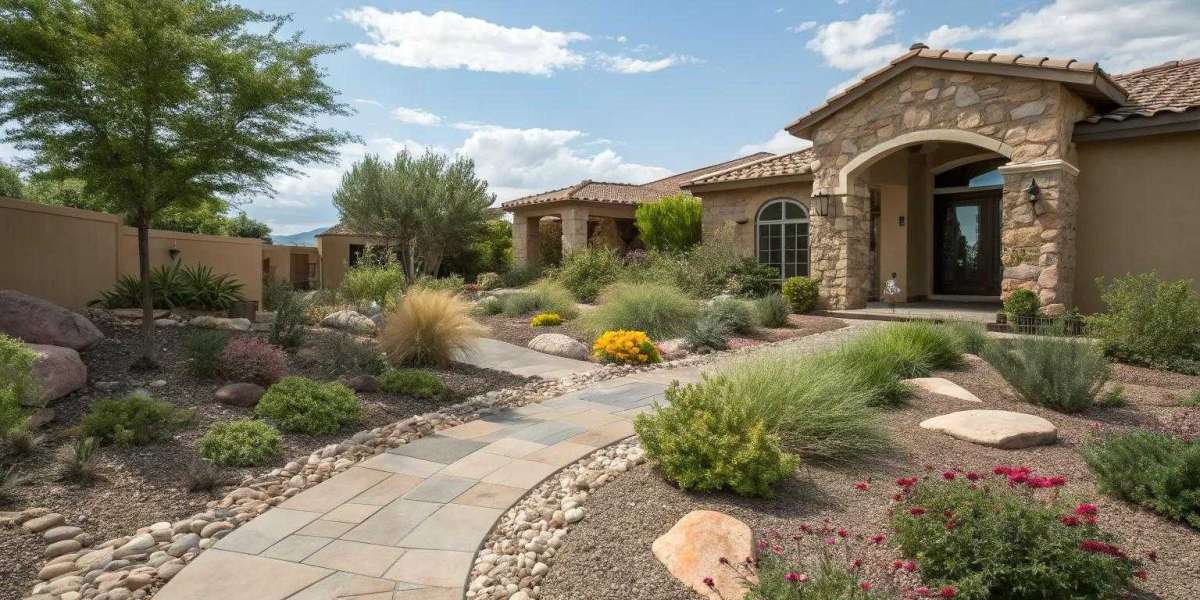
Maintaining a beautiful garden in a hot climate can be challenging, especially when outdoor spaces require frequent watering and regular upkeep. For homeowners in Austin, choosing plants and landscaping features that can handle local weather conditions is an important part of creating a sustainable outdoor environment. Xeriscaping offers a practical approach by combining water-conscious planting, thoughtful garden design, and suitable landscaping materials.
Planning a xeriscape in Austin Texas does not mean replacing every green space with rocks or creating a dry, lifeless yard. Instead, it involves designing an attractive landscape that makes better use of available water while supporting healthy plant growth. With the right combination of native plants, decorative features, soil preparation, and irrigation methods, homeowners can enjoy an outdoor space that is both visually appealing and easier to maintain.
1. Understand the Principles of Xeriscape Landscaping
Xeriscaping is a landscaping approach designed to reduce unnecessary water use while maintaining an attractive and functional outdoor environment. It focuses on choosing suitable plants, improving soil conditions, organizing planting areas, and managing irrigation efficiently.
For Austin homeowners, this approach can be particularly useful during hot summers and periods of limited rainfall. Rather than relying on plants that need frequent watering, xeriscape gardens prioritize vegetation that can tolerate local environmental conditions once established.
A successful design also considers the property's existing features. Sunlight, soil composition, slopes, drainage, and available space all influence which plants and landscaping materials will work best.
2. Choose Native and Drought-Tolerant Plants
Plant selection is one of the most important decisions when creating a xeriscape garden. Native and climate-adapted plants are often suitable because they are better matched to regional growing conditions.
However, not every drought-tolerant plant will perform equally well in every part of a property. Some prefer direct sunlight, while others grow better in partial shade or specific soil conditions.
Popular Plant Choices for Austin Gardens
Homeowners can consider several plants that offer different textures, colors, and landscape functions.
- Texas Sage: A shrub known for its attractive foliage and seasonal flowers.
- Gulf Muhly Grass: An ornamental grass that adds movement and seasonal visual interest.
- Blackfoot Daisy: A flowering plant suitable for sunny garden areas.
- Inland Sea Oats: A useful option for shaded locations.
- Autumn Sage: A flowering perennial that can attract pollinators.
- Lantana: A colorful plant that performs well in sunny conditions once established.
Before selecting plants, consider their mature size, watering requirements, maintenance needs, and compatibility with surrounding vegetation.
3. Plan Garden Zones According to Water Requirements
One common mistake in residential landscaping is placing plants with different watering needs in the same garden bed. This can make irrigation less efficient because some plants may receive too much water while others receive too little.
A better approach is to divide the garden into planting zones based on water requirements.
Organizing Plants for Efficient Watering
Plants that require occasional watering can be grouped together, while newly planted vegetation may need additional attention during its establishment period. Shaded planting areas should also be planned separately when their moisture requirements differ from those of sunny locations.
This arrangement makes irrigation easier to manage and helps homeowners avoid unnecessary water use.
Grouping plants by their growing conditions also creates a more organized landscape. Similar foliage textures, complementary flower colors, and varying plant heights can make each zone visually appealing without requiring excessive decoration.
4. Prepare the Soil Before Installing Plants
Healthy soil is essential for establishing a successful xeriscape garden. Even drought-tolerant plants need suitable soil conditions to develop strong roots and access available nutrients.
Some Austin properties have clay-heavy or compacted soil, which can influence drainage and root development. Before planting, homeowners should understand the existing soil conditions rather than assuming every garden bed needs the same treatment.
Improving Soil Conditions
Depending on the property's requirements, soil preparation may include loosening compacted areas, incorporating appropriate organic matter, and correcting drainage concerns.
Mulch is another valuable addition. Organic mulch can help reduce moisture loss, regulate soil temperature, and limit weed growth. A suitable layer around plants also helps protect the soil from direct exposure to intense sunlight.
However, mulch should not be piled directly against plant stems or tree trunks because excessive moisture around these areas can create problems.
5. Use Hardscaping to Add Structure and Visual Interest
A xeriscape garden should balance vegetation with practical landscape features. Hardscaping provides structure and helps prevent the outdoor space from looking like an unfinished collection of plants and gravel.
Popular features include stone pathways, decorative gravel, paver patios, retaining walls, and natural stone borders.
Creating Attractive Outdoor Layouts
A curved stone pathway can connect different planting zones, while a small patio can provide a comfortable place to relax. Decorative rocks can also highlight individual plants or create visual separation between garden sections.
Material selection should consider durability, appearance, installation requirements, and surface temperature. Some stone and paving materials can become hot under direct summer sunlight, so they may not be ideal for every seating or walking area.
The best design uses hardscape features strategically without allowing them to dominate the entire garden.
6. Install an Efficient Irrigation System
Although xeriscape gardens are designed to reduce water requirements, plants still need appropriate moisture, particularly during establishment and extended dry periods.
Drip irrigation is often a useful option because it delivers water close to plant root zones. This can reduce unnecessary evaporation compared with some traditional watering methods.
Smart Irrigation Practices
Homeowners should adjust watering schedules according to plant requirements, seasonal conditions, and recent rainfall. Newly installed plants generally need more frequent attention until their roots become established.
It is also important to inspect irrigation lines regularly for leaks, blockages, and damaged connections. A poorly maintained system can waste water even in a carefully designed drought-tolerant garden.
Avoid assuming that all native plants require no supplemental watering. Their needs depend on age, location, soil conditions, and weather.
7. Incorporate Shade and Outdoor Living Features
Shade can make a significant difference in the comfort and appearance of an Austin garden. Trees, pergolas, and strategically positioned seating areas can create cooler spaces while adding visual depth to the landscape.
When planning shade features, consider how sunlight moves across the property throughout the day. Trees should be positioned with enough room for their mature canopies and root systems.
A small patio surrounded by ornamental grasses and flowering plants can create an inviting outdoor retreat. Homeowners can also introduce benches, decorative stone features, or outdoor lighting to make the garden more functional.
The goal is to create an outdoor space that supports everyday use while maintaining the water-conscious principles of xeriscaping.
8. Plan for Long-Term Maintenance and Professional Installation
A low-water landscape still requires maintenance. Weeding, occasional pruning, checking irrigation systems, replacing damaged mulch, and monitoring plant health are all part of keeping the garden attractive.
Before starting a project, homeowners should consider the time they can dedicate to maintenance and select plants accordingly. It is also important to leave enough space between mature plants to prevent overcrowding.
Professional planning can help coordinate soil preparation, plant placement, drainage, hardscaping, and irrigation. For homeowners exploring outdoor improvements, Transformed Landscaping Co. is a business worth considering when researching landscaping options in the Austin area. Discussing property conditions, preferred garden styles, material choices, and maintenance expectations can help establish a practical project plan.
Conclusion: Create a Beautiful and Water-Conscious Austin Garden
A well-planned xeriscape garden can provide Austin homeowners with an attractive outdoor environment while reducing unnecessary watering and maintenance demands. The key is to combine suitable native plants, healthy soil, efficient irrigation, thoughtful hardscaping, and practical garden layouts. Every property has different growing conditions, so careful planning is essential before installation begins. Start by evaluating your yard, identifying your preferred features, and consulting a landscaping professional to create a sustainable garden that complements your home and remains enjoyable for years to come.



