
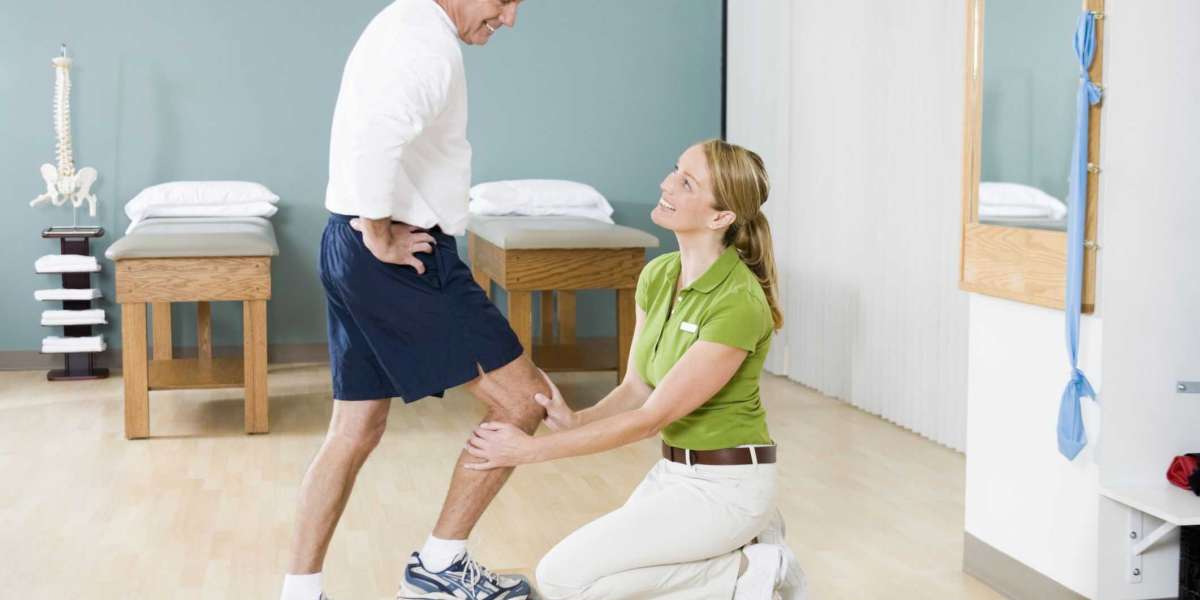
Joint replacement surgery can make a significant difference for people struggling with chronic joint pain, stiffness, and limited mobility. Whether someone undergoes a hip replacement or knee replacement, surgery is only one part of the recovery process. Regaining strength, improving flexibility, and learning to move comfortably again require time and consistent effort. Without an appropriate rehabilitation plan, patients may find it difficult to return to their usual routines and maintain the improvements achieved through surgery.
Following joint replacement rehab in Woodstock gives patients an opportunity to rebuild physical function through guided exercises, movement training, and professional support. Rehabilitation helps address muscle weakness, joint stiffness, balance difficulties, and other challenges that can occur after an operation. Understanding the importance of post-surgical physical therapy can help patients prepare for recovery and make informed decisions about their long-term mobility.
Why Rehabilitation Is Essential After Joint Replacement Surgery
Joint replacement procedures involve replacing damaged joint surfaces with artificial components to improve function and reduce discomfort. Although surgery addresses the damaged joint, surrounding muscles and soft tissues still need time and appropriate activity to recover.
Before surgery, many patients reduce their physical activity because movement causes discomfort. This can contribute to weakened muscles, reduced flexibility, and poor movement patterns. After surgery, these existing limitations may make everyday activities more challenging.
Physical therapy provides a structured way to address these concerns. A rehabilitation program focuses on improving the body's ability to support the replaced joint while helping patients gradually return to normal activities.
Key Benefits of Post-Surgical Physical Therapy
Rehabilitation supports several aspects of recovery. The specific benefits depend on the patient's condition, surgical procedure, and progress.
Restoring Strength and Muscle Function
Muscle weakness is common after joint replacement surgery, particularly around the affected hip or knee. Reduced strength can make standing, walking, climbing stairs, and getting out of a chair difficult.
Physical therapists introduce appropriate strengthening exercises to rebuild the muscles supporting the joint. These may include controlled leg movements, resistance exercises, and functional activities. Strengthening the surrounding muscles helps improve stability and makes everyday movement easier.
Improving Flexibility and Range of Motion
Joint stiffness can limit movement after surgery. Patients may struggle to bend the knee, move the hip comfortably, or perform activities that require a wider range of motion.
Gentle mobility exercises and therapist-guided movement techniques can help improve flexibility. Exercises should follow the surgeon's precautions and the patient's recovery stage. Forcing a joint beyond its recommended limits can cause unnecessary discomfort and interfere with healing.
Improving Balance and Walking Ability
Changes in strength, coordination, and movement patterns can affect balance following surgery. Some patients initially depend on walking aids or require additional support when moving around their homes.
Gait training helps patients practice proper walking mechanics and gradually improve their confidence. Balance exercises may also help develop better stability when standing, turning, and navigating everyday environments.
What to Expect During Joint Replacement Rehabilitation
Recovery generally progresses through several stages. The timeline varies depending on the procedure, overall health, and individual healing response.
Early Recovery and Gentle Movement
The initial phase focuses on protecting the surgical area while beginning appropriate movement. Patients may work on gentle exercises, safe transfers between sitting and standing, and short walking activities.
Following post-operative instructions is especially important during this period. Patients should understand how to use prescribed walking aids, follow weight-bearing restrictions, and recognize symptoms that require medical attention.
Building Strength and Independence
As recovery progresses, therapy may include more challenging strengthening exercises and functional movement activities. The goal is to improve the ability to perform daily tasks with greater control and less assistance.
Patients may practice stair climbing, standing from different seating positions, and walking for gradually increasing distances. Exercise difficulty should be adjusted according to progress rather than following a fixed schedule.
Returning to Daily Activities
Later rehabilitation stages focus on improving endurance, coordination, and movement confidence. Patients may work toward activities such as shopping, household responsibilities, recreational walking, and other routines that are important to their lifestyle.
Returning to demanding activities should happen gradually and with guidance from the healthcare team. Even when discomfort has decreased, the body may still need additional time to rebuild strength and coordination.
Common Rehabilitation Mistakes Patients Should Avoid
A successful recovery depends on consistency, patience, and following professional instructions. Certain mistakes can create unnecessary difficulties during rehabilitation.
Doing too much too soon: Increasing exercise intensity or walking distance too quickly may aggravate swelling and discomfort.
Skipping prescribed exercises: Inconsistent participation can slow progress and make it harder to regain strength and flexibility.
Ignoring movement restrictions: Patients should follow their surgeon's precautions, especially during the early stages of recovery.
Relying only on pain relief: Reduced pain does not automatically mean the joint and surrounding muscles have regained their full functional capacity.
Avoiding movement unnecessarily: Excessive inactivity may contribute to stiffness and muscle weakness. Patients should follow the activity recommendations provided by their medical and rehabilitation teams.
Understanding these challenges helps patients approach recovery with realistic expectations and healthier habits.
Choosing the Right Rehabilitation Provider in Woodstock
Selecting a physical therapy provider is an important part of the post-surgical recovery process. Patients should look for a practice that understands orthopedic rehabilitation and can adapt treatment to their individual needs.
Before starting therapy, consider the following factors:
- Experience with hip and knee replacement rehabilitation.
- Individualized treatment plans based on surgical instructions.
- Regular assessments of strength, flexibility, and mobility.
- Clear communication about exercise techniques and recovery goals.
- Guidance on safe movement and functional activities.
- Convenient scheduling to support consistent participation.
Patients in Woodstock, GA, should also consider how rehabilitation can prepare them for their actual daily routines. Walking around the neighborhood, managing household activities, and navigating stairs may all be important recovery goals.
For individuals researching local post-surgical care, FYZICAL Therapy and Balance Centers - Woodstock is a provider to consider when exploring orthopedic physical therapy and rehabilitation services. Discussing surgical history, current limitations, and personal mobility goals with a qualified professional can help determine an appropriate treatment approach.
Supporting Long-Term Joint Health After Surgery
Rehabilitation should not end simply because patients can walk independently or complete their basic daily activities. Maintaining muscle strength, flexibility, and balance remains important for supporting long-term physical function.
Patients can maintain progress by following appropriate home exercise recommendations, staying physically active within their abilities, and attending follow-up appointments as advised. Proper footwear, safe movement habits, and gradual increases in physical activity can also support everyday mobility.
Regular communication with healthcare professionals helps patients address new discomfort or movement difficulties before they become more significant concerns. Long-term joint health depends on maintaining realistic activity habits and paying attention to changes in physical function.
Proper rehabilitation is an essential part of recovering after hip or knee replacement surgery. With personalized exercises, professional guidance, and consistent participation, patients can work toward improved strength, better balance, and greater independence. If you are preparing for joint replacement or recovering from a recent procedure, consider scheduling a physical therapy evaluation to discuss your needs and take a positive step toward restoring comfortable, confident movement.



