
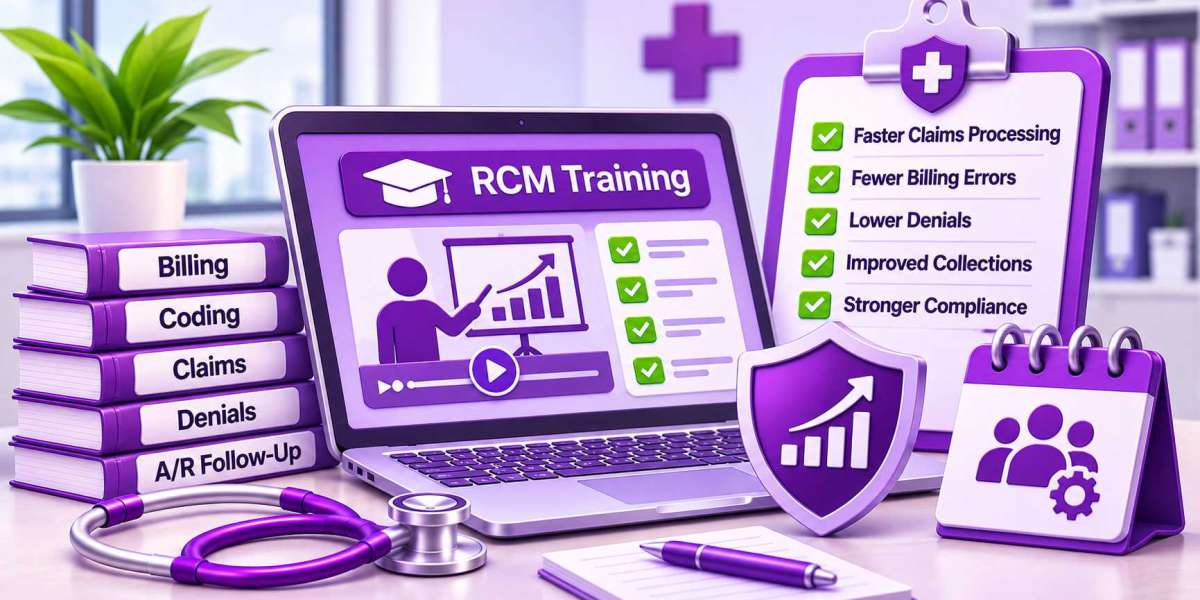
Revenue cycle training gives healthcare administrative staff the knowledge to prevent errors before they become delayed payments. Each team touches a different stage of the process, so a single generic training session is rarely enough. Registration staff need accurate coverage workflows; billers need claim response skills; managers need reliable performance reports. Practical examples and feedback help employees understand how their daily choices affect the patient account.
Connect each role to the patient payment journey
Front desk staff influence insurance and demographic accuracy. Before closing a case, A quick check against the original request or remittance can reveal whether the action solved the actual problem. For revenue cycle training, this step gives the team a specific record to check before making a billing decision.
Coding and charge entry teams affect claim completeness. For managers, The strongest control is a documented process that distinguishes an expected difference from a genuine error. The practical test is whether another staff member could repeat the check using the same information.
Payment posting and follow-up staff identify downstream processing problems. For a practical review, The useful question is whether each claim has a traceable next step, not whether a report merely shows it as open. Keep the outcome with the connect each role to the patient payment journey record so later follow-up does not begin from scratch.
Consider a routine case involving revenue cycle training: front desk staff influence insurance and demographic accuracy. If the next step is unclear, coding and charge entry teams affect claim completeness. A supervisor can then check whether the final record also reflects this control: payment posting and follow-up staff identify downstream processing problems. This creates an observable process rather than an undocumented assumption.
Teach common errors with realistic examples
Use de-identified scenarios involving inactive coverage, missing referrals, and wrong payer order. For managers, The strongest control is a documented process that distinguishes an expected difference from a genuine error. For revenue cycle training, this step gives the team a specific record to check before making a billing decision.
A practice can assign this review internally or coordinate with outsourced medical billing services when it needs support with revenue cycle training, claim follow-up, and the related billing work queue.
Show staff how an early error appears in later rejection reports. For a practical review, The useful question is whether each claim has a traceable next step, not whether a report merely shows it as open. The practical test is whether another staff member could repeat the check using the same information.
Explain when a question must be escalated instead of guessed. During daily review, A staff member should be able to point to the source record behind the decision rather than rely on memory. Keep the outcome with the teach common errors with realistic examples record so later follow-up does not begin from scratch.
Consider a routine case involving revenue cycle training: use de-identified scenarios involving inactive coverage, missing referrals, and wrong payer order. If
Design role-specific learning plans
Train registration staff on eligibility responses and coverage changes. For a practical review, The useful question is whether each claim has a traceable next step, not whether a report merely shows it as open. For revenue cycle training, this step gives the team a specific record to check before making a billing decision.
Train billers on clearinghouse acknowledgments and payer claim status. During daily review, A staff member should be able to point to the source record behind the decision rather than rely on memory. The practical test is whether another staff member could repeat the check using the same information.
Train supervisors on aging reports, adjustments, and quality reviews. In a busy practice, The exception is easier to resolve when the team records the payer, date, account, and exact outstanding question. Keep the outcome with the design role-specific learning plans record so later follow-up does not begin from scratch.
Consider a routine case involving revenue cycle training: train registration staff on
Reinforce training through short feedback loops
Review a small sample of work after training and discuss corrections respectfully. During daily review, A staff member should be able to point to the source record behind the decision rather than rely on memory. For revenue cycle training, this step gives the team a specific record to check before making a billing decision.
Update job aids when payer rules or software workflows change. In a busy practice, The exception is easier to resolve when the team records the payer, date, account, and exact outstanding question. The practical test is whether another staff member could repeat the check using the same information.
Let staff report confusing cases without hiding errors. Before closing a case, A quick check against the original request or remittance can reveal whether the action solved the actual problem. Keep the outcome with the reinforce training through short feedback loops record so later follow-up does not begin from scratch.
Consider a routine case involving revenue cycle training: review a small sample
Evaluate whether training changes outcomes
Measure preventable rejection types rather than attendance alone. In a busy practice, The exception is easier to resolve when the team records the payer, date, account, and exact outstanding question. For revenue cycle training, this step gives the team a specific record to check before making a billing decision.
Track correction time and recurring data-entry problems. Before closing a case, A quick check against the original request or remittance can reveal whether the action solved the actual problem. The practical test is whether another staff member could repeat the check using the same information.
Refresh training for new hires and staff moving between roles. For managers, The strongest control is a documented process that distinguishes an expected difference from a genuine error. Keep the outcome with the evaluate whether training changes outcomes record so later follow-up does not begin from scratch.
Consider a routine case involving revenue cycle training: measure preventable rejection types
Conclusion
Revenue cycle training is most useful when staff can explain what was checked, which record supports the decision, and who owns the next action. The practical steps above connect daily billing work to better oversight without assuming that every payer or account follows the same path. Practice managers should start with one recurring exception, test the proposed control on real accounts, and review whether the result is easier to trace. Over time, a clear process for revenue cycle training can support more accurate reporting, fewer avoidable handoffs, and better conversations with patients and payers.
Frequently Asked Questions
Who needs revenue cycle training?
Registration, billing, coding, payment posting, follow-up, and management staff all benefit from role-specific learning.
How often should training be refreshed?
Review it when payer rules, software, roles, or recurring error patterns change.
What is an effective training example?
A de-identified claim that traces a registration mistake through rejection and correction can be useful.
How can managers measure training value?
Monitor relevant error categories and correction time, not attendance alone.



