Keeping a vehicle safe, reliable, and legally compliant is an important responsibility for every motorist. Cars are exposed to constant wear and tear through daily commuting, family journeys, and longer trips. Over time, components such as brakes, tyres, suspension systems, and lights can deteriorate, potentially affecting vehicle safety and performance. This is why regular vehicle inspections are essential. For motorists searching for an MOT test Purley, understanding the testing process and knowing what to expect can help make vehicle ownership more straightforward.
What Is an MOT Test and Why Is It Important?
An MOT test is an annual vehicle inspection required for most cars over three years old in Great Britain. It assesses whether a vehicle meets the minimum legal standards for road safety and environmental performance at the time of testing.
The inspection is designed to identify faults that could make a vehicle unsafe or unsuitable for use on public roads. It covers several important areas, including braking performance, steering, suspension, tyres, lights, seatbelts, visibility, and exhaust emissions.
An MOT certificate provides evidence that a vehicle passed the inspection on the test date. However, it does not guarantee that the vehicle will remain roadworthy throughout the following year. Components can deteriorate, and new problems may develop between tests. Regular maintenance is therefore just as important as the annual inspection.
What Does an MOT Inspection Cover?
An MOT inspection involves checking various vehicle components against the applicable testing standards. Each area contributes to the overall safety and roadworthiness of the vehicle.
Brakes and braking systems: The braking system is examined to identify excessive wear, damage, leaks, and other defects that could affect stopping performance. Brake pads, discs, and associated components are important considerations.
Tyres and wheels: Tyres are checked for tread depth, condition, and suitability. For most passenger cars, the minimum legal tread depth is 1.6mm across the central three-quarters of the tread and around the entire circumference.
Lights and electrical equipment: Headlights, indicators, brake lights, rear lights, and other required lighting equipment are checked to ensure they function correctly.
Steering and suspension: These systems are inspected for excessive wear, damage, and defects that could affect vehicle control, handling, and stability.
Seatbelts and safety equipment: Seatbelts are checked for damage, secure attachment, and proper operation. Relevant safety components are also assessed.
Exhaust and emissions: The exhaust system is examined for leaks, security, and condition, while emissions are assessed according to the vehicle's applicable requirements.
Windscreen and visibility: The windscreen, wipers, washers, mirrors, and driver's field of vision are checked to identify potential visibility problems.
Preparing Your Vehicle Before an MOT Appointment
A little preparation before an MOT appointment can help identify straightforward issues and reduce the possibility of avoidable failures.
Start by checking that all exterior lights are working, including indicators, headlights, brake lights, and number plate lights. Examine the tyres for visible damage and ensure their tread depth meets legal requirements.
Drivers should also check the windscreen for significant cracks or chips, particularly in the area directly in front of the driver. Windscreen wipers should clear water effectively, and washer fluid should be topped up.
Make sure the registration plates are clean, readable, and securely attached. The horn should operate correctly, and the vehicle should contain sufficient fuel and engine oil where applicable.
Understanding MOT Failure Categories
An MOT test result can fall into different categories depending on the seriousness of any identified defects.
A vehicle passes when it meets the required testing standards. It may also receive advisory notices highlighting components that could require attention in the future.
A minor defect does not automatically result in failure, although it should be monitored and addressed where appropriate.
Major and dangerous defects result in an MOT failure. Dangerous defects can make a vehicle unsafe to drive, meaning it must not be driven until the relevant problem has been resolved.
Understanding these categories helps motorists make informed decisions about repairs and vehicle maintenance.
Why Choose an Experienced MOT Centre?
Choosing an established garage for an MOT inspection provides motorists with access to qualified testers, appropriate testing equipment, and professional guidance.
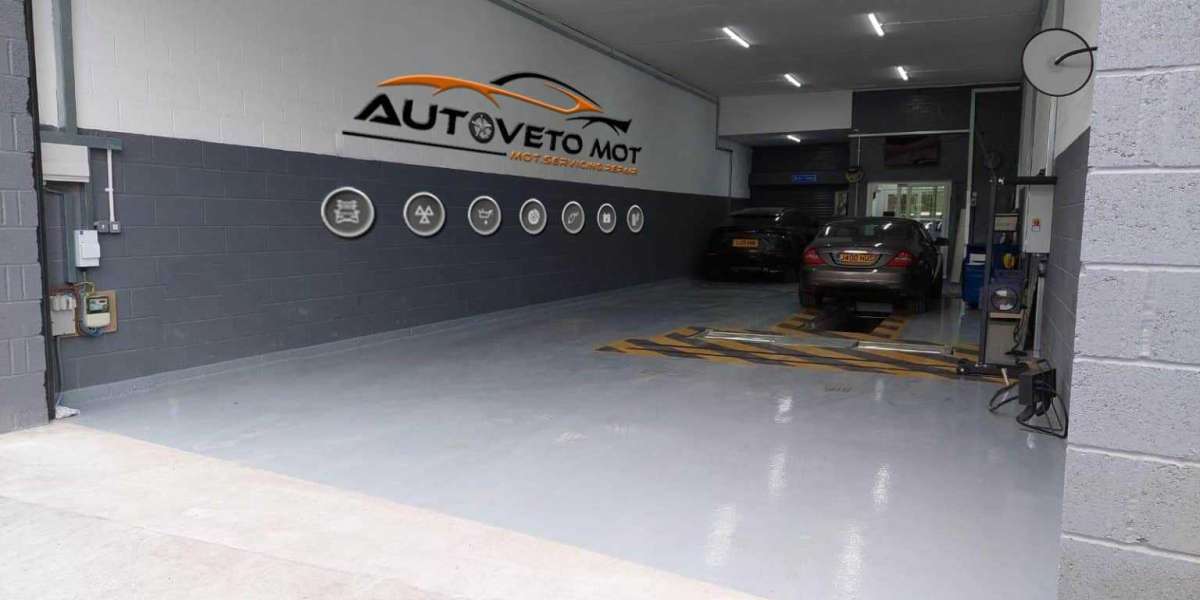
Auto Veto MOT provides DVSA-approved MOT testing alongside vehicle servicing, tyre fitting, diagnostics, and mechanical repairs. Its services include Class 4 and Class 7 MOT testing, catering to different vehicle requirements.
The garage also offers repair services for issues identified during inspections, subject to customer approval. This can make the process more convenient for motorists who prefer to have testing and necessary maintenance handled by one automotive business.
Clear communication is particularly important. Drivers should receive an explanation of any defects, understand the available repair options, and know the expected costs before additional work begins.
Planning Your MOT Test in Purley
Motorists should avoid leaving their MOT appointment until the last minute. Planning ahead provides more flexibility when choosing an appointment and allows time to arrange repairs if necessary.
An MOT can be carried out up to one calendar month minus one day before the existing certificate expires without changing the renewal date. If the vehicle passes, this can provide up to 13 months of MOT validity.
Drivers researching an MOT test Purley should consider the garage's testing approval, available vehicle classes, appointment arrangements, and additional repair services.
Auto Veto MOT is based at 1112 London Road, Norbury, Croydon, SW16 4DT, and serves motorists across the wider South London area, including those travelling from Purley and surrounding communities.
Conclusion
An MOT inspection is an essential part of responsible vehicle ownership. It helps identify safety-related defects, checks environmental compliance, and confirms whether a vehicle meets the required roadworthiness standards on the day of testing.
Combining regular servicing with timely MOT inspections can help motorists identify developing problems, maintain important vehicle components, and reduce the likelihood of unexpected difficulties.