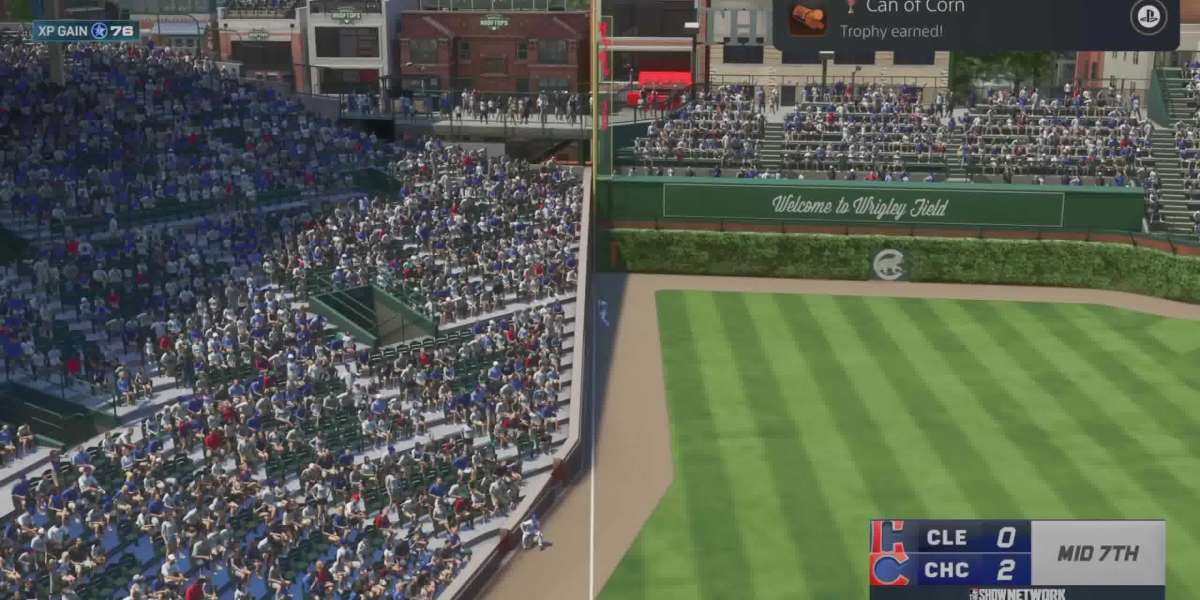
Strong pitching is often about controlling what the hitter expects rather than simply overpowering them. In MLB The Show 26, two pitches with different movement or speed can become difficult to distinguish when their early trajectories look similar. This creates an opportunity to make opponents commit to a swing before they fully recognize the delivery. Players developing a Diamond Dynasty rotation with MLB 26 Stubs should pay attention to pitch combinations, command, and sequencing instead of judging a pitcher only by velocity.
Start With the Pitcher's Natural Strengths
Every pitcher has a different combination of velocity, movement, control, and available pitches. Before creating a tunneling strategy, identify which offerings work well together.
A pitcher with a fastball and slider may be able to challenge hitters with two different outcomes from a similar starting path. Another pitcher might rely on a sinker and changeup to create uncertainty through movement and speed separation.
Do not force every pitcher into the same approach. Some arsenals are better suited to attacking the strike zone, while others provide more opportunities to generate swings outside it. Building around natural strengths makes it easier to execute sequences consistently.
Establish Visual Expectations Early
Hitters gradually develop expectations as they see more pitches. If you establish a fastball in a particular area, the opponent may begin preparing for similar deliveries. That expectation can create an opening for another pitch that initially looks comparable.
For example, a fastball near the upper portion of the zone can prepare the hitter to react quickly. A slider that begins along a similar path but moves away from the expected contact point can produce a mistimed swing.
The objective is to create uncertainty, not to repeat a memorized combination. Change locations and pitch types as the at-bat develops. A sequence becomes less useful when the opponent knows exactly what will follow.
Use the Corners to Separate Pitch Outcomes
A pitch tunnel does not have to finish in the strike zone. In some situations, the most effective approach is to make a pitch appear hittable before allowing its movement to carry it away from the barrel.
Fastballs can establish the expected location, while breaking pitches can finish near or beyond the edge. This can encourage aggressive opponents to swing at deliveries they initially judge as strikes.
Command is essential here. A pitch that misses too far outside may simply be ignored, while one that hangs over the plate can become a dangerous mistake. Practice locating different pitches around the same general area without making their final destinations identical.
Recognize the Difference Between Aggressive and Patient Hitters
Pitch selection should reflect the opponent's behavior. Some players swing early in counts and look for fastballs, while others are willing to take several pitches until they find a preferred location.
Against aggressive hitters, changing speed and movement can disrupt their timing. A breaking ball or changeup may create a weak swing when they commit too soon. Patient opponents require a different approach. Use well-controlled pitches near the edges to make them decide whether to protect the zone.
Do not assume the same sequence will work against every batter. Observe previous at-bats and adjust based on swing timing, chase tendencies, and reactions to different pitch locations.
Avoid Wasting Your Best Pitches
A pitcher with a strong breaking ball may tempt you to use it whenever a strikeout is needed. However, repeated reliance on one offering makes your strategy easier to recognize.
Use secondary pitches to support the fastball rather than treating them as automatic finishing options. Establishing a different pitch earlier in the count can make the preferred strikeout pitch more effective later.
It is also important to consider the situation. With runners on base, an unnecessary pitch outside the zone may create a walk or put the pitcher under additional pressure. A controlled approach is often more valuable than attempting to force a highlight-reel strikeout.
Know When to Replace a Tired Pitcher
Tunneling depends on reliable execution. As stamina declines, a pitcher may become less effective at locating the pitches needed for a planned sequence. A breaking ball that previously finished near the corner may become easier to hit when command deteriorates.
Watch the pitcher's performance rather than waiting until a difficult inning develops. If opponents begin making stronger contact or your intended locations become unreliable, consider using the bullpen.
A fresh reliever with a different pitch mix can also change the visual rhythm of the game. This gives the opponent another set of speeds and movement patterns to recognize.
Evaluate Arsenal Quality Before Upgrading
When choosing a Diamond Dynasty pitcher, examine the relationship between the available pitches. A high overall rating does not necessarily mean the card has the combinations needed for effective tunneling.
Look for useful velocity differences, complementary movement, dependable control, and enough stamina to remain effective through multiple innings. Test new pitchers in gameplay to understand how their offerings behave and which sequences feel natural.
Make Pitch Recognition Difficult for Every Opponent
Successful pitch tunneling requires more than selecting two similar-looking pitches. It involves establishing expectations, changing locations, reading swing behavior, and maintaining command throughout the game. When these elements work together, hitters have less time to identify deliveries and prepare a consistent response.
Players planning to MLB The Show 26 Stubs should prioritize cards that address specific weaknesses in their rotation. A pitcher with a balanced arsenal can offer more strategic options than one whose performance depends entirely on a single high-velocity pitch.
Develop a different sequence for each pitcher based on their strongest offerings. By avoiding predictable patterns and making disciplined bullpen decisions, you can create a more adaptable pitching strategy for Diamond Dynasty matchups.