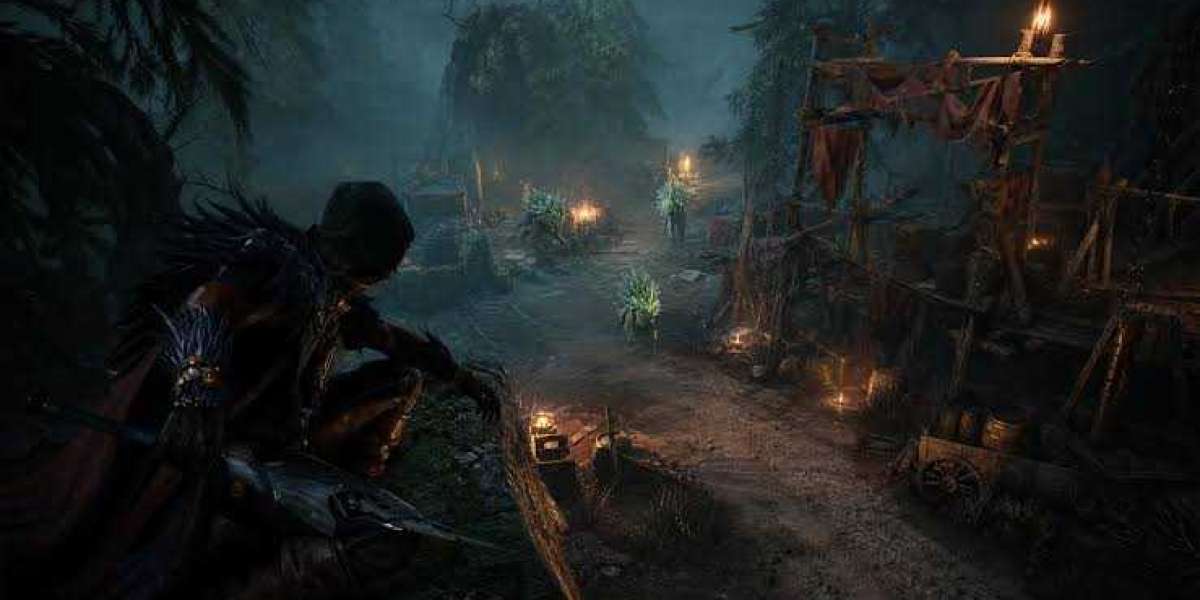
Mistfall Hunter's economy rewards players who know when to slow down. You do not need to chase every loud fight or empty your best equipment into one risky run. A steady PvE route can build your funds without making every trip feel like a gamble. Start with a low-cost setup, leave room in your pack, and give yourself a clear reason to turn back. You will quickly notice that Mistfall Hunter Gyldenblood Money adds up faster when you survive more runs instead of trying to make one huge haul.
Use Gear You Can Replace
Your farming loadout should feel reliable, not precious. Pick weapons you already understand and armour that can handle regular enemies without draining your supplies. A sword and shield can be a practical choice for close encounters, especially when several creatures press in at once. Blocking gives you a moment to recover and keeps small mistakes from becoming expensive repairs. Take enough healing items for the route, but do not pack as if you are preparing for the longest mission in the game. Extra supplies take space away from loot, and unused items do not help your income.
Build a Route Around Fast Loot
Look for compact areas where enemies, containers, chests, and crafting materials sit within a short walk of one another. The less time you spend crossing empty ground, the more useful items you can check during a session. Clear ordinary enemies first when the area is crowded, then search nearby objects while the path is quiet. Some players rush toward the biggest target and ignore three easy rooms behind them. That usually wastes time. When you are comparing possible upgrades or deciding what to keep, browsing Mistfall Hunter Items for sale can also give you a better sense of which equipment deserves storage space. Move on when a room gives poor returns. One disappointing chest should not control the whole run.
Sell With A Clear Rule
Storage fills up quickly when you keep every weapon with a slightly different stat line. Before putting something away, ask whether it improves your next few runs, supports a build you are actively using, or has a clear trade value. If the answer is no, sell it. Keep a small reserve of useful gear for different situations, then let the rest go. This makes it easier to see what you own and gives you funds for repairs, upgrades, and better supplies. A tidy stash also saves time between runs, which matters when you are farming in short sessions after work or school.
Leave Before The Run Turns Bad
Extraction should be part of your plan from the moment you enter. Choose a simple stopping point, such as filling most of your bag, finding one strong equipment piece, or reaching the amount needed for your next camp improvement. Once that target is met, head out. Do not let low health, empty healing slots, or a crowded inventory push you into another fight. That nearby room may contain something useful, but it can also erase everything you have collected. After returning, sell unwanted gear, repair only what you need, and prepare the same affordable setup again. Small, repeatable wins are easier to build on than a single lucky run.
CrystalVibe CrystalVibe
21 બ્લોગ પોસ્ટ્સ