
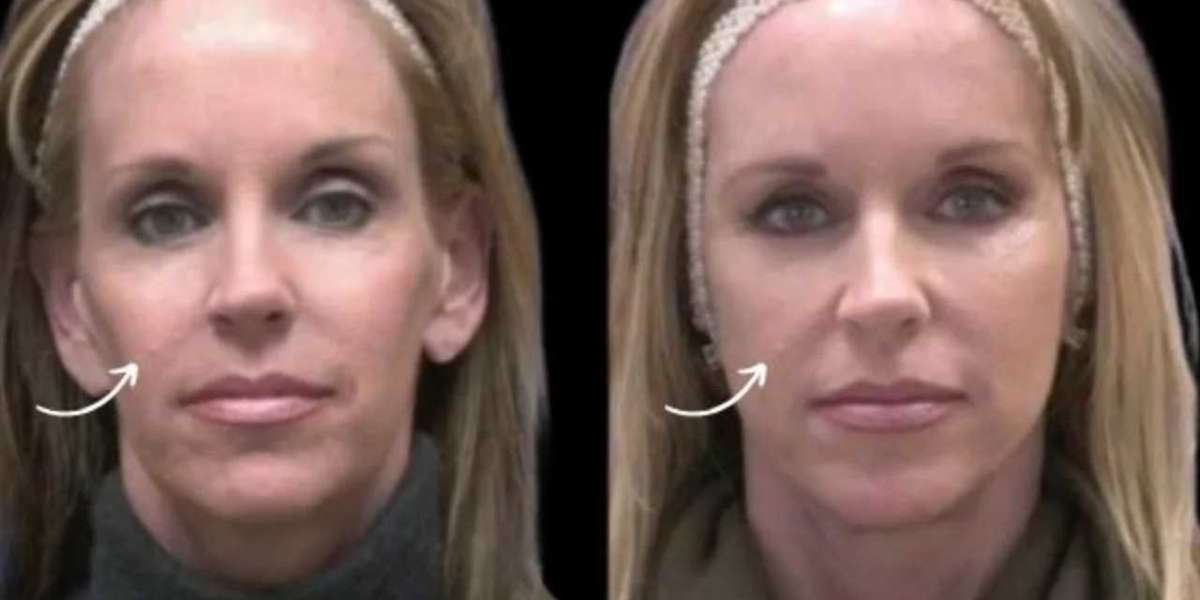
Skin rejuvenation involves more than choosing a single cosmetic treatment. Many people want to improve uneven texture, fine lines, visible pores, acne scars, and age-related changes while maintaining a natural appearance. Understanding the differences between collagen-stimulating injectables and skin resurfacing procedures can help individuals make informed decisions about their aesthetic goals. When researching the Best Aesthetic Clinics in Dubai, patients should consider treatment suitability, practitioner qualifications, safety protocols, and the possibility of combining different approaches.
Sculptra Injectionsare associated with gradual collagen stimulation, while skin resurfacing procedures primarily address the skin's surface and texture. Although these treatments may complement one another in selected cases, they work differently and are not interchangeable. A carefully planned treatment strategy considers the condition of the skin, underlying tissue support, recovery preferences, and realistic expectations.
At Perfect Doctors Clinic, treatment planning can focus on understanding individual concerns and explaining the potential benefits, limitations, and risks of available aesthetic procedures. Dr Perfect Celebrity can discuss whether collagen stimulation, resurfacing, or a staged combination is appropriate following an individual assessment.
Understanding Sculptra and Skin Resurfacing
What Is Sculptra?
Sculptra in Dubai refers to treatment using a poly-L-lactic acid (PLLA) injectable. Unlike conventional fillers that primarily provide immediate volume, Sculptra stimulates the body's collagen production over time. Collagen is an important structural protein that supports firmness, resilience, and the overall appearance of skin and soft tissue.
Sculptra is commonly considered for selected areas of the face where gradual improvement in volume loss and tissue support is desired. Results develop progressively rather than appearing fully immediately after treatment.
The term Sculptra dermal filler is often used when discussing the product, although its collagen-stimulating mechanism distinguishes it from traditional hyaluronic acid fillers. It requires appropriate patient selection, careful injection planning, and an understanding of its specific risks.
Potential considerations include:
- Gradual rather than immediate improvement.
- The need for multiple treatment sessions in some cases.
- Temporary swelling, tenderness, bruising, or redness.
- The possibility of lumps or nodules.
- Results that vary according to anatomy, treatment technique, and individual response.
Sculptra does not directly remove damaged surface skin, erase every wrinkle, or replace procedures designed to improve pigmentation and superficial texture.
What Is Skin Resurfacing?
Skin resurfacing refers to treatments intended to improve the skin's surface, texture, or visible signs of damage. Depending on the method, resurfacing may encourage skin renewal, remove controlled layers of damaged skin, or stimulate remodeling within the skin.
Available approaches include:
- Chemical peels: Use selected chemical solutions to exfoliate the skin at different depths.
- Laser resurfacing: Uses laser energy to target specific skin layers and encourage renewal or collagen remodeling.
- Microneedling: Creates controlled micro-injuries that stimulate a healing response.
- Radiofrequency-based procedures: Deliver energy to selected tissue depths to encourage collagen remodeling, depending on the device and technique.
- Other exfoliating treatments: May improve mild roughness, dullness, and superficial unevenness.
Not every resurfacing procedure has the same intensity, recovery period, or risk profile. A superficial peel may involve limited downtime, whereas an aggressive laser treatment may require considerably more recovery and careful aftercare.
Sculptra Versus Skin Resurfacing: Key Differences
Choosing between Sculptra fillers and skin resurfacing starts with identifying the primary concern. One treatment focuses on collagen stimulation within the soft tissues, while the other generally targets surface quality or selected skin layers.
Comparing Treatment Goals
Sculptra may be considered when the main concern involves gradual volume loss or reduced tissue support in an appropriate treatment area. Resurfacing may be more suitable when the primary concern is rough texture, certain acne scars, sun-related skin damage, or uneven pigmentation.
| Consideration | Sculptra | Skin resurfacing |
|---|---|---|
| Main purpose | Gradual collagen stimulation and soft-tissue improvement | Improve texture, surface irregularities, and selected skin concerns |
| Typical approach | Injectable treatment | Energy-based, chemical, or mechanical procedure |
| Onset of results | Progressive over weeks and months | Depends on the procedure and healing process |
| Downtime | Usually limited, with possible injection-related effects | Ranges from minimal to substantial |
| Pigmentation concerns | Not a primary treatment for pigmentation | Some methods may target selected pigment or surface concerns |
| Volume restoration | May help address selected volume-loss concerns | Generally does not replace lost facial volume |
| Main risks | Injection-related complications, lumps, nodules, and other adverse effects | Irritation, burns, infection, scarring, and pigment changes, depending on the procedure |
These differences explain why a patient may benefit from one approach rather than the other. Some individuals have both surface damage and volume loss, but treating every concern simultaneously is not necessarily the safest or most effective strategy.
When Sculptra Injections in Dubai May Be More Appropriate
Sculptra injections in dubai may be considered for adults with suitable anatomy and concerns involving gradual facial volume loss or reduced tissue support. The decision depends on the intended treatment area, medical history, skin condition, and the individual's expectations.
It is important to understand that Sculptra is not an appropriate solution for every skin concern. For example, prominent acne scars, deep surface irregularities, and significant pigmentation may require different treatments.
Patients considering Sculptra face treatments should discuss facial proportions, areas of volume loss, and the desired degree of change. The objective should be a balanced result rather than indiscriminate volume enhancement.
When Skin Resurfacing May Be More Appropriate
Resurfacing may be the more relevant option when concerns are primarily superficial or related to skin texture. Examples include:
- Fine surface lines.
- Uneven skin texture.
- Certain types of acne scarring.
- Selected forms of sun-related damage.
- Dullness and roughness.
- Some pigmentation irregularities, depending on their cause.
A practitioner should identify the nature and depth of the problem before selecting a procedure. Pigmentation disorders, active acne, inflammatory skin conditions, and certain types of scarring may require additional evaluation before treatment.
Combining Sculptra With Skin Resurfacing
Why Some Patients Consider Combination Treatment
Aging affects several skin and tissue layers. Collagen loss may contribute to changes in firmness and support, while sun exposure and other environmental factors can affect the skin's surface. Consequently, a single procedure may not address every concern.
For an appropriately selected patient, Sculptra and resurfacing may form part of a broader rejuvenation plan. The injectable may address selected concerns involving volume and tissue support, while resurfacing may focus on texture or surface irregularities.
However, combining treatments does not automatically produce better results. The benefit depends on the individual's condition, the procedures chosen, and their timing.
Why Treatment Sequencing Matters
The order of procedures should be determined by a qualified practitioner. Some resurfacing methods create considerable inflammation or temporarily compromise the skin barrier. Performing another procedure before adequate recovery may increase irritation or complicate the assessment of adverse effects.
A staged plan may include:
- A consultation to identify the main concerns and review medical history.
- Assessment of skin texture, pigmentation, volume distribution, and tissue quality.
- Selection of the most appropriate treatment for each concern.
- Scheduling procedures according to their recovery requirements.
- Follow-up appointments to evaluate healing and decide whether further treatment is justified.
There is no universal waiting period that applies to every combination. The appropriate interval depends on the type and intensity of resurfacing, the injection area, the healing response, and the practitioner's clinical judgment.
Managing Expectations During a Combined Plan
Patients should understand that each procedure has its own timeline. Sculptra develops gradually, while resurfacing results depend on the skin's healing and remodeling process. Early swelling or temporary changes in texture should not be mistaken for the final outcome.
A treatment plan should also allow for reassessment. If one procedure provides sufficient improvement, additional treatment may not be necessary.
How to Evaluate the Best Aesthetic Clinics in Dubai
When researching the Best Aesthetic Clinics in Dubai, patients should look beyond promotional claims. The qualifications and authorized scope of practice of the treating professional are essential, particularly when considering injectables or more intensive resurfacing procedures.
Useful questions include:
- Is the practitioner appropriately licensed and trained for the proposed procedure?
- Can the practitioner explain the treatment's limitations and alternatives?
- Are potential complications discussed before consent?
- Is there a clear plan for managing adverse reactions?
- Are follow-up appointments available when needed?
Patients researching Celebrity Doctors in Dubai or a Celebrities Clinic in Dubai should apply the same standards. Reputation, online visibility, and celebrity associations do not establish clinical suitability or guarantee a particular result.
Individualized Consultation and Assessment
An appropriate consultation should identify the problem that the patient actually wants to address. For example, a person concerned about facial hollowing may require a different approach from someone whose main concern is acne scarring.
At Perfect Doctors Clinic, patients can discuss their aesthetic goals with Dr Perfect Celebrity and ask about the suitability of Sculptra, resurfacing procedures, or alternative approaches.
The assessment should consider:
- Medical history and previous aesthetic treatments.
- Current medications and relevant allergies.
- Skin sensitivity and history of pigmentation changes.
- Active skin infections or inflammatory conditions.
- Previous scarring or delayed wound healing.
- Expected recovery time and lifestyle requirements.
- The degree of improvement that is realistically achievable.
Clear communication is particularly important when more than one treatment is being considered.
Product Quality and Safety Standards
For injectable procedures, patients should receive clear information about the product being used, its intended purpose, and the practitioner's approach to safe administration. Appropriate hygiene, product traceability, and documented consent are important elements of responsible care.
For resurfacing, the treatment method, device or product selection, settings where applicable, and aftercare requirements should be explained in advance.
No clinic can guarantee a complication-free procedure. A responsible treatment plan acknowledges uncertainty and includes instructions for seeking assistance if unexpected symptoms develop.
Skin Type, Pigmentation, and Dubai's Climate
Considering Skin Sensitivity and Pigmentation
Skin type and pigmentation tendencies can influence the choice of resurfacing treatment. Certain procedures, particularly aggressive treatments, can cause post-inflammatory hyperpigmentation in susceptible individuals. Inappropriate treatment may also aggravate existing inflammation or create uneven skin tone.
Patients with darker skin tones or a history of pigmentation should ask about the practitioner's experience with their skin type and whether a conservative approach or preliminary test area is appropriate.
Sculptra and resurfacing also require different safety considerations. The fact that someone is suitable for one procedure does not establish that they are suitable for the other.
Sun Exposure, Heat, and Aftercare
Dubai's strong sunlight makes sun protection particularly important following resurfacing. Depending on the procedure, treated skin may be more sensitive to ultraviolet exposure and more vulnerable to pigmentation changes.
Aftercare may include:
- Using a broad-spectrum sunscreen as advised by the practitioner.
- Avoiding direct sun exposure during the recommended recovery period.
- Following cleansing and moisturising instructions.
- Avoiding unapproved exfoliants, retinoids, or irritating products until permitted.
- Avoiding excessive heat, strenuous exercise, or swimming when specifically advised.
- Attending follow-up appointments and reporting unusual symptoms.
After Sculptra injections, patients should follow the treating practitioner's product-specific instructions, including any recommended massage protocol. Massage requirements should not be confused with the aftercare instructions for resurfacing, which may differ substantially.
Treatment Areas and Their Different Requirements
Sculptra Face and Cheeks
Sculptra cheeks treatments may be considered for selected individuals experiencing age-related volume loss. Assessment should account for facial proportions, tissue thickness, and the desired degree of enhancement.
The treatment should not be used indiscriminately to increase volume in every facial area. Some concerns are better addressed with other procedures, and certain areas may carry additional risks when injected.
Sculptra for Neck Concerns
Interest in Sculptra for neck treatment may arise when people notice changes in skin quality or support. However, the neck has distinct anatomical characteristics, and not every neck concern is suitable for Sculptra.
Loose skin, prominent horizontal lines, pigmentation, and surface texture changes can have different causes. A careful assessment is necessary before deciding whether an injectable, resurfacing procedure, or another approach is appropriate.
Sculptra for Buttocks and Hip Dips
Searches for Sculptra for buttocks, Sculptra buttock injections, buttocks Sculptra, and Sculptra for hip dips reflect interest in non-surgical body contouring.
These procedures require separate consideration from facial treatment. Patients should not assume that products or techniques intended for the face can be used interchangeably for body areas. The intended indication, local regulatory requirements, product suitability, injection technique, and complication risks must all be evaluated.
Sculptra filler for buttocks is not equivalent to surgical buttock augmentation, and it cannot guarantee a particular contour or amount of volume change. Anyone considering gluteal injections should seek an appropriately qualified medical professional and obtain a clear explanation of the risks and alternatives.
Understanding Sculptra Cost and Treatment Value
Factors That Influence Sculptra Price
The Sculptra cost and Sculptra price in Dubai may vary according to several factors:
- The number of vials required.
- The treatment area and complexity.
- The number of sessions recommended.
- The practitioner's qualifications and experience.
- Follow-up arrangements and aftercare.
- The need for additional procedures.
The cost of Sculptra in Dubai should be explained through an individualized quotation rather than a universal estimate. Patients should ask whether the quoted amount includes the consultation, product, injections, and follow-up care.
Comparing Value With Resurfacing Treatments
Skin resurfacing also varies in cost according to the procedure, treatment area, equipment, and number of sessions required. A superficial peel and an intensive laser treatment should not be treated as equivalent services.
The lowest advertised price may not represent the best overall value if important elements of care are excluded. Conversely, a higher price does not automatically establish superior quality.
When comparing options at Perfect Doctors Clinic, patients should focus on the suitability of the proposed treatment, transparent costs, practitioner qualifications, and the availability of appropriate follow-up.
Risks, Recovery, and Long-Term Planning
Understanding Possible Side Effects
Sculptra can cause temporary swelling, redness, bruising, tenderness, and discomfort at injection sites. Lumps or nodules may also occur, sometimes appearing later. Less common but serious complications can include infection, inflammatory reactions, and vascular injury associated with injectable procedures.
Skin resurfacing may cause redness, dryness, peeling, swelling, temporary sensitivity, and changes in pigmentation. Depending on the procedure, additional risks include burns, infection, scarring, and prolonged healing.
Patients should seek prompt medical assessment for severe or worsening pain, unusual skin discoloration, rapidly increasing swelling, signs of infection, or any other concerning reaction. After facial injections, sudden visual symptoms or severe pain require emergency evaluation.
Follow-Up and Maintenance
A follow-up appointment allows the practitioner to assess recovery, review the response, and determine whether further treatment is appropriate. Photographs and written treatment records can help compare changes over time.
Neither Sculptra nor resurfacing should be viewed as a permanent solution to all signs of aging. Results vary, and future treatment decisions should reflect changes in the skin, personal goals, and the benefits and risks of repeating a procedure.
Conclusion
Choosing between Sculptra and skin resurfacing requires an understanding of what each treatment can realistically achieve. Sculptra supports gradual collagen stimulation and may help address selected concerns involving facial volume and tissue support. Resurfacing procedures focus more directly on skin texture, surface irregularities, and certain forms of sun-related damage.
For individuals researching the Best Aesthetic Clinics in Dubai, the most important considerations are qualified practitioners, individualized assessment, transparent pricing, realistic expectations, and appropriate safety measures. At Perfect Doctors Clinic, Dr Perfect Celebrity can discuss available options and help patients understand whether Sculptra, resurfacing, or a carefully staged treatment plan aligns with their goals. An informed decision prioritizes suitability, safety, and natural-looking improvement over promises of immediate or guaranteed results.
Frequently Asked Questions
1. What is the main difference between Sculptra and skin resurfacing?
Sculptra is an injectable that stimulates collagen production over time and may improve selected concerns involving volume and tissue support. Skin resurfacing targets skin texture, surface irregularities, and certain forms of pigmentation or sun damage. The appropriate option depends on the concern being treated.
2. Can Sculptra and skin resurfacing be combined?
They may be combined in selected cases, but treatment timing should be planned by a qualified practitioner. The interval depends on the resurfacing method, the injection area, and the healing process. Combining procedures is not necessary for everyone.
3. How long does Sculptra take to show results?
Sculptra results develop gradually over weeks and months as collagen production increases. The timing and degree of improvement vary by individual. Multiple sessions may be recommended, depending on the treatment plan.
4. Is Sculptra suitable for acne scars?
Sculptra is not a general treatment for all acne scars. Certain scars may benefit more from resurfacing, microneedling, or other targeted approaches. A professional assessment is needed to identify the type and depth of scarring.
5. How can I choose among the Best Aesthetic Clinics in Dubai?
Evaluate practitioner licensing, relevant experience, consultation quality, hygiene standards, product traceability, complication-management arrangements, and follow-up care. Avoid relying exclusively on promotional claims or celebrity associations.
6. Is skin resurfacing safe for darker skin tones?
Some resurfacing procedures can be suitable for darker skin tones, but treatment selection requires particular attention to pigmentation risk. The method, intensity, skin history, and practitioner experience all matter. Aggressive treatment may increase the risk of post-inflammatory hyperpigmentation.
7. What factors affect Sculptra cost in Dubai?
The cost may depend on the number of vials, treatment area, number of sessions, practitioner fees, and follow-up arrangements. Request a written quotation that clearly explains what is included before proceeding.
8. Can Sculptra be used for buttocks and hip dips?
Certain body-contouring applications may be considered in specific circumstances, but they require careful evaluation of product suitability, regulatory status, practitioner qualifications, and risks. Facial treatment experience alone is not sufficient evidence of suitability for gluteal injections.
9. What should I avoid after skin resurfacing?
Depending on the procedure, patients may need to avoid direct sun exposure, harsh skincare products, exfoliants, and activities that increase irritation or interfere with healing. Follow the specific instructions provided by the treating practitioner rather than applying a universal aftercare routine.
10. Does Sculptra provide permanent results?
No. Sculptra can produce results that last for an extended period in some patients, but it does not stop the natural aging process or guarantee permanent improvement. Results vary, and future treatment should be based on individual needs and a professional reassessment.



