
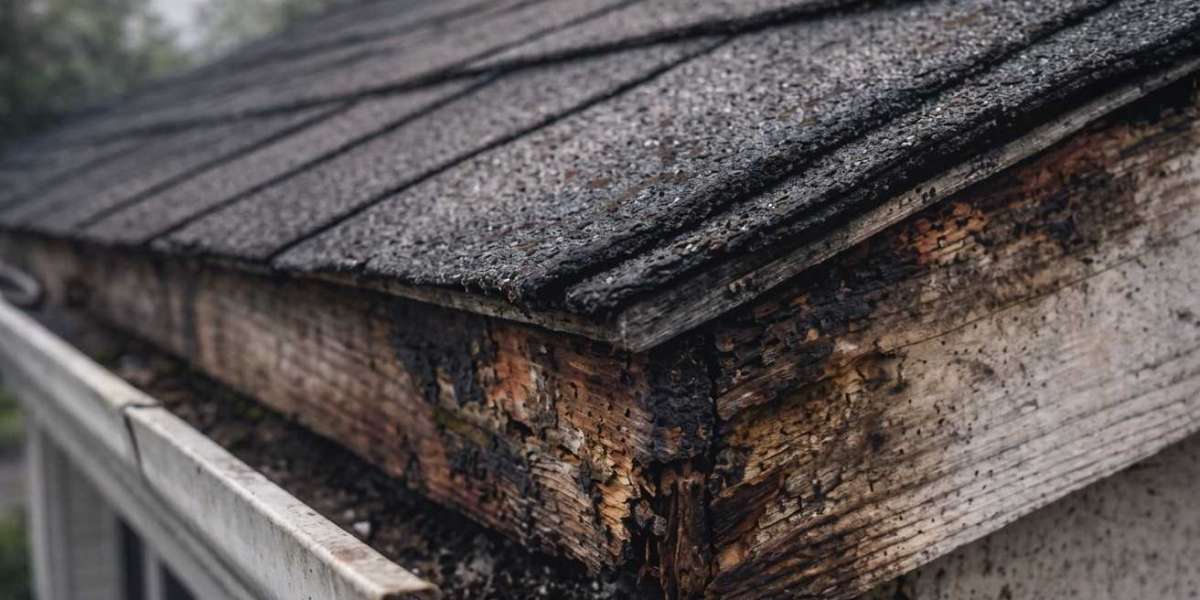
Roof edges may seem like small parts of a roofing system, but they play an important role in protecting a building from rain. These areas sit where the roof meets the outside walls, gutters, and surrounding structure. When water flows off the roof, the edges help guide it away from the building. If these areas are poorly maintained or have damaged materials, moisture can reach places it should never enter.
Water damage near roof edges can begin with a loose shingle, a damaged drip edge, a blocked gutter, or a small gap in the roofing materials.The damage may be hard to spot at first. Over time, repeated rain exposure can affect the roof deck, fascia boards, insulation, and interior walls.
Understanding why roof edges are more vulnerable to moisture helps property owners recognize potential problems early. Regular inspections, proper drainage, and timely repairs can reduce the chance of a minor issue turning into a larger roofing concern.
What Makes Roof Edges Vulnerable to Water Damage?
Roof edges face several conditions that make them more likely to develop moisture problems. Rainwater flows toward these areas before draining off the roof, so any weakness along the edge can affect proper drainage.
1. Rainwater Collects Along the Roof Edge
On a sloped roof, gravity moves water toward the lower edges. A well-designed roofing system directs that water into gutters or safely away from the walls. If the edge materials are damaged, water may seep beneath shingles or reach the wooden components below.
Repeated contact with moisture can cause wood to soften, paint to peel, and roofing materials to deteriorate. The risk becomes greater when rain continues for several hours or occurs frequently over a short period.
2. Gutters Can Overflow or Become Blocked
Gutters are designed to collect runoff and carry it away through downspouts. Leaves, twigs, dirt, and other debris can block this path. When water cannot drain properly, it may spill over the gutter and run down the fascia or exterior wall.
Water overflow may force water back toward the roof’s edge. If the gutter is installed incorrectly, has an unsuitable slope, or has pulled away from the fascia, water may collect in areas that should remain dry.
3. Wind-Driven Rain Can Reach Beneath Roofing Materials
Heavy rain does not always fall straight down. Strong winds can push water sideways or upward beneath loose shingles and exposed roof edges. This is especially concerning during storms, when rain may reach small gaps that remain dry during calmer weather.
If the underlayment or flashing is damaged, water can move into the roof structure before anyone notices a leak inside the building.
What Makes Roof Edge Materials Important for Moisture Protection?
Several components work together to protect roof edges. Each has a different purpose, and damage to one part can affect the performance of the surrounding materials.
The Role of Drip Edges in Water Drainage
A drip edge is a metal strip installed along the roof perimeter. It helps direct runoff away from the fascia and into the gutter or away from the building. It also helps limit the chance of water reaching the exposed edges of the roof deck.
A missing, loose, corroded, or poorly fitted drip edge can leave gaps where water may enter. During an inspection, a roofing professional can check whether the metal is secure and positioned correctly.
Underlayment Adds a Protective Layer
Roofing underlayment sits beneath the outer roofing material. It acts as an additional barrier against moisture that passes beneath shingles or other roof coverings.
If the underlayment has tears, gaps, or damaged sections near the edge, water may reach the roof deck. This can be a concern around eaves, where runoff is frequent and ice or wind-driven rain may affect the roofing system in certain climates.
Fascia Boards and Roof Decking Can Absorb Moisture
Fascia boards cover the ends of roof rafters and often support the gutters. The roof deck forms the base beneath the roofing materials. When water repeatedly reaches either component, the wood may swell, soften, stain, or begin to decay.
Once the materials lose strength, gutter fasteners may no longer hold firmly, and roof components can become loose. The damage may call for more extensive repairs.
What Warning Signs Suggest Water Damage Near Roof Edges?
Roof edge damage is not always noticeable from inside the building. Still, certain signs can indicate that moisture is reaching the wrong places.
Look for these warning signs during a ground-level check or a professional roof inspection:
- Peeling paint: Paint on fascia boards or nearby trim may blister or peel when moisture repeatedly reaches the surface.
- Stained soffits: Brown marks, dark patches, or unusual discoloration beneath the roof overhang may point to water entry.
- Sagging gutters: Gutters that pull away from the building or hold standing water may have loose fasteners, drainage problems, or damaged support boards.
- Soft or rotting wood: Deteriorated fascia and exposed roof decking can indicate prolonged moisture exposure.
- Water marks indoors: Damp spots near exterior walls, ceilings, or upper corners of rooms may be linked to roof leaks, though other sources should also be checked.
- Moldy or musty smells: Persistent damp odors in an attic or upper floor can suggest moisture trapped in an enclosed area.
These signs may not reveal the exact source of the leak. For example, water entering near a roof edge may travel along a rafter before appearing on an interior ceiling. A careful inspection can help trace the moisture back to its source.
Which Weather Conditions Put Roof Edges at Greater Risk?
Roof edges face changing weather throughout the year. Some conditions increase the amount of water reaching these areas, while others make it harder for the roofing system to drain properly.
Heavy Rain and Storms
During intense rainfall, large amounts of water move toward the roof perimeter in a short period. Gutters may struggle to handle the runoff if they are undersized, clogged, or poorly positioned.
Strong winds can also lift loose shingles or push rain beneath the roof covering. After a storm, property owners should look for visible changes such as displaced shingles, hanging gutters, or new stains on exterior trim.
Freeze-Thaw Conditions
In colder climates, water can freeze along roof edges and later melt. Repeated freezing and thawing may affect roofing materials, joints, and drainage paths. Ice buildup near the eaves can also interfere with normal runoff.
When snow and ice are common, proper attic insulation and ventilation, along with suitable roof design, can help reduce the conditions that contribute to ice dams. Existing leaks or damaged materials still need direct attention.
Heat and Sun Exposure
Long periods of sun and heat can age some roofing materials, sealants, and painted surfaces. As these materials weaken, gaps may develop around the roof perimeter. When rain arrives, water can enter through those openings.
The effect depends on the roofing material, installation quality, local climate, and age of the roof. Routine checks can help identify damage before it spreads.
How Can Property Owners Reduce Water Damage Around Roof Edges?
Preventing moisture problems starts with keeping water moving along the intended drainage path and maintaining the components that protect the roof perimeter.
Keep Gutters and Downspouts Clear
Remove leaves and debris from gutters as needed, especially after storms and during seasons when trees shed heavily. Check that downspouts carry water away from the building rather than releasing it beside the foundation.
If gutters overflow during rain despite being clean, the system may need repairs, improved positioning, or a review of its capacity.
Check Roofing Materials and Flashing
Shingles near the eaves should remain properly attached, while drip edges and flashing should fit securely. Loose metal, exposed gaps, and cracked sealant can allow water to enter.
Avoid walking on the roof without suitable training and safety equipment. A qualified roofing professional can inspect hard-to-reach areas and assess damage without creating extra risks.
Arrange Inspections After Severe Weather
A storm can loosen roofing materials or damage gutters without causing an immediate indoor leak. An inspection after severe weather can help identify these issues before the next period of heavy rain.
For property owners seeking guidance from a roofing company in Nashville TN, a roof assessment can help identify drainage concerns, damaged edge materials, and possible points of water entry. Local weather patterns and the roof's current condition should guide any recommended repair work.
Repair Small Problems Before They Spread
A loose shingle or a small gap near the drip edge may appear minor, but repeated rain can carry moisture into the roof structure. Prompt repairs can limit further damage and help preserve nearby materials.
The best solution depends on the cause of the damage. Replacing a damaged shingle may be enough in one case, while a deteriorated fascia board, faulty flashing, or damaged underlayment may require more extensive work.
When Should You Have Roof Edge Damage Inspected?
Some problems can be handled with basic upkeep, while signs of indoor water damage require a closer look.
Arrange a professional inspection if you notice recurring leaks, soft wood, sagging gutters, loose roofing materials, or water stains that return after repairs. It is also wise to seek help when the source of moisture is unclear or the roof has been affected by a severe storm.
If water is entering near electrical fixtures, avoid the affected area and seek appropriate professional help. For active leaks, protect belongings if it is safe to do so, and do not climb onto a wet or storm-damaged roof.
A roofing professional can examine the shingles, underlayment, drip edge, flashing, fascia, and drainage system as a connected structure. This approach helps identify the source of the damage rather than simply covering the visible symptoms.
How Does Roof Edge Maintenance Support Long-Term Roof Care?
Roof edges are small compared with the full roof surface, but their condition affects how well the entire system manages rainwater. A problem at the perimeter can spread to gutters, wooden roof components, insulation, and interior finishes if it remains unresolved.
Routine inspections, clear drainage paths, secure roofing materials, and timely repairs all support better moisture control. Property owners can also keep records of recurring leaks and repairs, making it easier to spot patterns and plan future maintenance.
Roof edge care is a useful part of broader home improvement ideas because it helps protect the building envelope and may reduce the risk of avoidable repairs. The best approach is to address the source of water entry, use suitable materials, and inspect nearby components for signs of damage.
Final Thoughts
Roof edges are more exposed to water damage because they handle runoff, connect several roofing components, and face rain, wind, and changing temperatures. Blocked gutters, damaged drip edges, loose shingles, and weakened fascia boards can all create paths for moisture to enter the building.
Regular checks can help property owners spot early warning signs, but recurring leaks and deteriorated materials deserve a professional assessment. Keeping roof edges in good condition helps direct rainwater away from the structure and supports the long-term performance of the roofing system.



