Driving in Dubai often involves a combination of busy city roads, motorways, frequent stops, and longer journeys between different areas. These conditions can make regular vehicle maintenance especially important for a comfortable driving experience. If your steering wheel vibrates or your tyres appear to wear unevenly, wheel balancing dubai services can help identify and correct weight imbalances in your wheels. Understanding how wheel balancing works, when it is needed, and how it differs from other tyre services can help drivers maintain their vehicles and recognize potential problems early.
What Is Wheel Balancing?
Wheel balancing is a maintenance procedure that helps distribute the weight of a wheel and tyre assembly evenly around its rotational axis. Even a small imbalance can cause vibration when the wheel rotates at higher speeds.
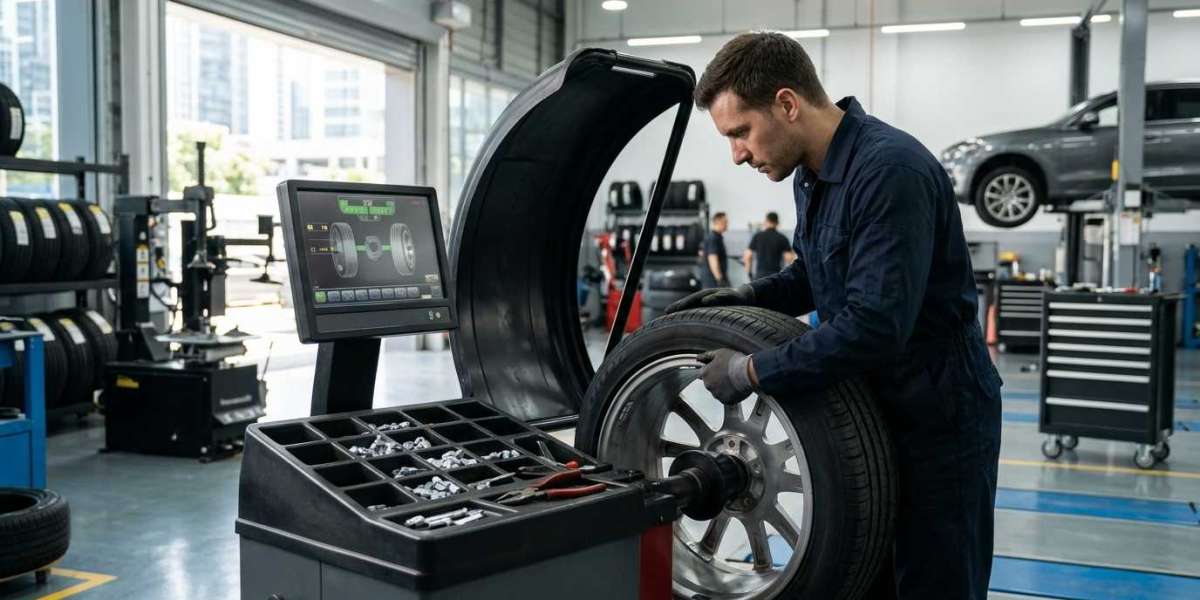
During the process, a technician places the wheel and tyre assembly on a balancing machine. The machine measures the distribution of weight and identifies areas that require correction. Small balancing weights are then attached to suitable positions on the wheel according to the equipment's readings.
The objective is to help the wheel rotate smoothly, reducing unwanted vibration and improving driving comfort.
Wheel balancing is relevant to many types of vehicles, including passenger cars, SUVs, and light commercial vehicles. The correct procedure depends on the wheel design, tyre specifications, and vehicle manufacturer's recommendations.
Signs Your Wheels May Need Balancing
Wheel imbalance does not always produce obvious symptoms immediately. However, several warning signs may indicate that a professional inspection is worthwhile.
Steering Wheel Vibration
One of the most recognizable signs is vibration through the steering wheel, particularly when driving at certain speeds. The vibration may become more noticeable as the vehicle accelerates.
Although imbalance can cause this symptom, it is not the only possible explanation. Tyre damage, wheel deformation, suspension issues, and other mechanical problems can produce similar effects.
Vibration Through the Vehicle
Some drivers notice vibration through the seats, floor, or body of the vehicle instead of primarily through the steering wheel.
The location and intensity of the vibration may provide useful information during an inspection. A technician can assess whether the issue relates to wheel balance or requires further mechanical investigation.
Uneven Tyre Wear
Imbalanced wheels can contribute to irregular tyre wear over time. However, uneven wear can also result from incorrect tyre pressure, wheel alignment problems, worn suspension components, or unsuitable driving conditions.
Checking tyre wear regularly can help identify maintenance concerns before they become more serious.
Vibration After Installing New Tyres
New tyres do not automatically eliminate balancing requirements. Whenever a tyre is mounted on a wheel, the weight distribution of the complete assembly may change.
For this reason, balancing is normally performed when new tyres are installed. It may also be necessary after certain tyre repairs or when balancing weights become loose or detached.
Why Wheel Balancing Matters in Dubai
Dubai's driving environment includes urban traffic, expressways, roundabouts, parking facilities, and journeys across the wider emirate. A vehicle may experience different speeds and road conditions during a single trip.
Correctly balanced wheels can support a smoother driving experience by reducing vibration associated with imbalance.
Improved Driving Comfort
A balanced wheel assembly can reduce unwanted vibration transmitted through the steering wheel, seats, and vehicle body.
This can make routine commutes and longer drives more comfortable, especially when travelling at motorway speeds.
Reduced Unnecessary Tyre Wear
Wheel imbalance may contribute to irregular tyre wear. Correcting it can help the tyre rotate more evenly, although tyre condition also depends on pressure, alignment, load, and driving habits.
Drivers should not rely on balancing alone to resolve every tyre-wear problem.
Better Component Protection
Persistent vibration may place additional stress on some vehicle components. Correcting a wheel imbalance can help reduce vibration caused by that specific issue.
However, wheel balancing cannot repair damaged suspension parts, worn bearings, or bent wheels. These problems require separate assessment.
More Consistent Vehicle Performance
When wheels rotate smoothly, drivers may experience less vibration and a more comfortable ride. This is particularly useful for people who regularly commute or travel longer distances.
Wheel balancing is one part of overall vehicle maintenance rather than a replacement for inspections of other important systems.
How the Wheel Balancing Process Works
Understanding the procedure can help drivers know what to expect when visiting a tyre workshop.
Initial Inspection
The technician may examine the tyre and wheel for visible damage, abnormal wear, embedded objects, or other concerns.
Tyre pressure and the condition of the wheel assembly may also be checked. If there is significant damage, the technician should assess whether balancing alone is appropriate.
Mounting the Wheel on a Machine
The wheel and tyre assembly is mounted securely on a balancing machine. The equipment rotates the assembly and measures how its weight is distributed.
The results identify the amount and position of correction required.
Applying Balancing Weights
The technician attaches suitable balancing weights at the positions indicated by the machine.
The type of weight depends on the wheel design and the manufacturer's requirements. Proper placement matters because an incorrect correction may leave the wheel imbalanced.
Final Measurement
After the weights are installed, the wheel is measured again. The technician checks whether the result falls within the machine's acceptable limits.
If necessary, additional adjustments are made before the wheel is considered balanced.
Wheel Balancing vs. Wheel Alignment
Wheel balancing and wheel alignment are different procedures, although both are important for tyre maintenance.
Wheel balancing corrects uneven weight distribution in the wheel and tyre assembly. It is commonly associated with vibration that occurs at particular speeds.
Wheel alignment involves checking and adjusting the angles of the wheels according to vehicle specifications. Alignment problems may contribute to uneven tyre wear, steering issues, or a vehicle pulling to one side.
A car may need balancing, alignment, or both, depending on the symptoms and inspection results.
For example, a steering wheel that vibrates at motorway speeds may indicate a balancing issue, while a vehicle that consistently pulls to one side may need an alignment assessment. These symptoms are not definitive diagnoses, so a professional inspection is important.
When Should You Get Your Wheels Balanced?
There is no single mileage interval that applies to every vehicle. Drivers should follow their vehicle manufacturer's guidance and consult a tyre professional when symptoms appear.
Wheel balancing is commonly recommended in situations such as:
- Installing new tyres.
- Replacing a tyre after damage.
- Noticing vibration while driving.
- Losing or damaging balancing weights.
- Detecting unusual tyre wear.
- Having a wheel or tyre assembly serviced.
Drivers should also ask for a balance check if vibration develops after tyre work. Early assessment may help identify a simple correction or reveal another problem that needs attention.
Choosing a Wheel Balancing Service in Dubai
Selecting an appropriate service provider involves more than comparing prices. Drivers should consider the workshop's equipment, technician experience, and inspection process.
Check the Equipment
Modern balancing machines can measure wheel and tyre imbalance accurately when used and maintained correctly. Ask whether the workshop has suitable equipment for your vehicle and wheel type.
Some vehicles use wheel designs that require particular mounting methods or balancing procedures.
Ask About the Inspection
A professional workshop should inspect the wheel and tyre assembly before proceeding. Visible damage, excessive wear, or deformation may require further attention.
If the vibration is caused by another mechanical issue, the technician should explain why balancing alone may not resolve it.
Understand the Service Cost
Prices can vary depending on the vehicle, wheel size, service provider, and whether additional work is required.
Before approving the service, confirm what the quoted price includes. Ask whether inspection, balancing weights, and any additional adjustments are charged separately.
Consider Convenience
Drivers may prefer a workshop near their home or workplace, particularly when dealing with a vehicle that requires regular maintenance.
Availability, appointment arrangements, service time, and the ability to handle the vehicle's wheel specifications are all useful factors to consider.
Tips for Maintaining Your Tyres in Dubai
Wheel balancing works best as part of a wider tyre maintenance routine.
Check Tyre Pressure
Use the pressure recommended by the vehicle manufacturer, usually listed on the driver's door placard or in the owner's manual.
Check pressure when the tyres are cold whenever possible. Incorrect inflation can affect tyre wear, handling, and fuel efficiency.
Inspect Tyre Condition
Look for cuts, bulges, cracks, exposed cords, and unusual tread wear. A tyre with structural damage should be assessed by a qualified professional.
Avoid Ignoring Vibration
If the vehicle begins vibrating, arrange an inspection rather than assuming the issue will disappear. Stop driving and seek assistance if the vibration is severe or accompanied by signs of tyre damage.
Follow Maintenance Recommendations
Keep track of tyre installations, repairs, rotations, and inspections. Following the manufacturer's recommendations helps maintain the vehicle's tyres and supporting systems.
Conclusion
Wheel balancing helps correct uneven weight distribution in a wheel and tyre assembly, reducing vibration associated with imbalance and supporting a smoother ride. For drivers seeking wheel balancing dubai services, recognizing warning signs and choosing a qualified workshop can make tyre maintenance more straightforward. Regular pressure checks, tyre inspections, and timely professional assessments also help identify problems before they affect driving comfort or vehicle performance.
Frequently Asked Questions
How do I know if my wheels need balancing?
Steering wheel vibration, vibration through the vehicle, or symptoms that appear after installing new tyres may indicate a balancing issue. A technician can confirm the cause.
Is wheel balancing necessary after installing new tyres?
Yes, balancing is normally performed when new tyres are mounted because the weight distribution of the complete wheel assembly may not be even.
Does wheel balancing fix alignment problems?
No. Balancing corrects weight distribution, while alignment concerns the angles of the wheels. Some vehicles may require both services.
How long does wheel balancing take?
The time depends on the vehicle, the number of wheels being serviced, and whether additional problems are identified. The workshop can provide an estimate after inspecting the vehicle.
Can unbalanced wheels damage tyres?
An imbalance can contribute to vibration and irregular tyre wear. However, pressure, alignment, suspension condition, and driving habits also influence tyre life.
Should I balance my wheels if the car does not vibrate?
Balancing is commonly recommended when installing new tyres and may be necessary after certain repairs. Follow the manufacturer's maintenance guidance and the technician's assessment.