
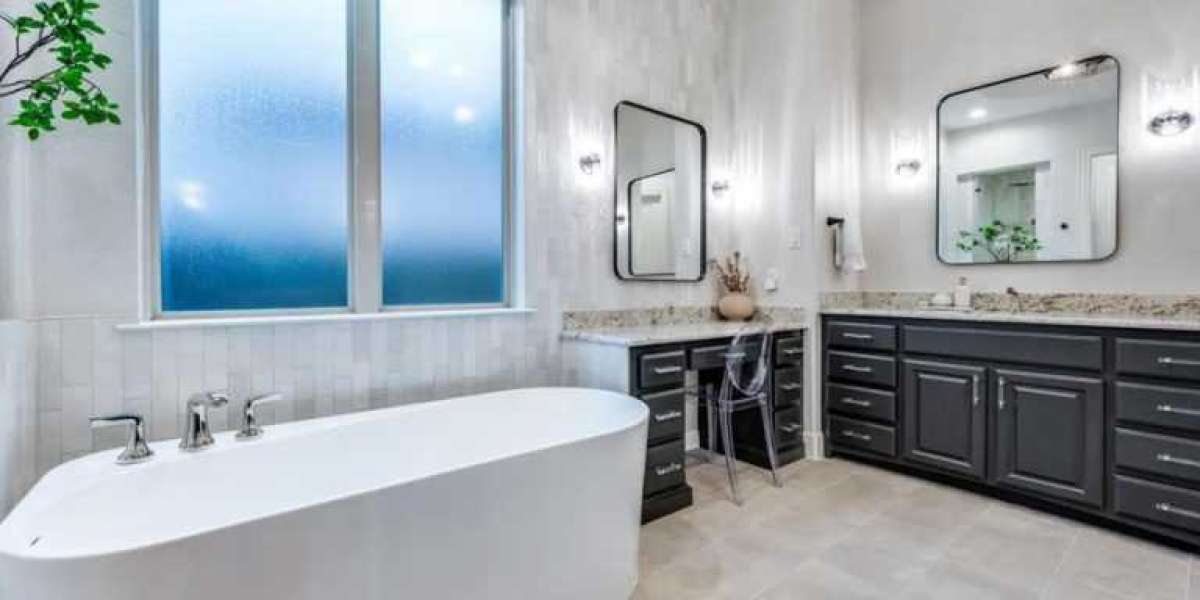
Planning a Bathroom That Meets Your Needs
A bathroom renovation provides an opportunity to improve comfort, appearance, and everyday functionality. Before starting, consider how the space is currently used and which features need improvement. Limited storage, outdated fixtures, poor lighting, or insufficient ventilation may affect convenience. Establishing clear priorities helps guide design decisions, control expenses, and ensure that the finished room supports the household's daily routines.
Choosing the Right Remodeling Approach
Every bathroom has unique requirements based on its size, layout, existing condition, and the homeowner's preferences. Residential Bathroom Remodeling Services Agoura Hills CA may include replacing outdated fixtures, updating tile surfaces, improving storage, or modifying the arrangement of the room. Identifying the most important improvements before work begins helps create a practical plan and prevents spending money on changes that provide little everyday value.
Selecting Durable Materials for Wet Areas
Bathrooms experience regular exposure to moisture, cleaning products, and temperature changes. Choosing materials designed for these conditions can help preserve their appearance and reduce maintenance needs. Porcelain and ceramic tiles are common options for many floors and walls, while suitable countertop materials provide practical surfaces around sinks. Review slip resistance, water absorption, cleaning requirements, and manufacturer recommendations before selecting finishes for different areas.
Improving the Bathroom Layout
An efficient layout makes it easier to move between the sink, toilet, shower, and storage areas. Consider door clearance, fixture spacing, and access to frequently used items when reviewing the existing arrangement. Keeping plumbing locations unchanged may help control renovation costs, although some layouts benefit from repositioning fixtures. Careful measurements before purchasing materials can prevent fitting problems and help ensure that the finished room remains comfortable to use.
Working With Experienced Remodeling Professionals
Bathroom projects may involve plumbing, electrical work, waterproofing, carpentry, and tile installation. General Home Remodeling work can include coordinating several of these tasks, depending on the contractor's services and the project's scope. Before hiring a professional, review relevant qualifications, insurance, references, and experience with comparable renovations. A written agreement should identify the work included, materials, payment schedule, expected timeline, and procedures for handling unexpected issues.
Managing Moisture and Ventilation
Excess humidity can contribute to mold growth, peeling finishes, and deterioration of building materials. A properly functioning exhaust fan helps remove moist air, while suitable ventilation and prompt leak repairs support a healthier indoor environment. Inspect areas around showers, tubs, windows, and sinks for persistent dampness. Addressing moisture problems during renovation is particularly important because covering existing damage without correcting its cause may lead to recurring repairs.
Choosing Fixtures and Water-Efficient Features
Fixtures affect both the appearance and performance of a renovated bathroom. When comparing faucets, showerheads, toilets, and sinks, consider durability, ease of cleaning, water consumption, and compatibility with existing connections. Water-efficient products may help reduce household water use when selected appropriately. Confirm dimensions and installation requirements before purchasing replacements, especially when the available space is limited or the plumbing configuration will remain unchanged.
Creating Useful Bathroom Storage
Thoughtful storage helps keep personal care products and household supplies organized. Vanity drawers, mirrored cabinets, recessed shelves, and wall-mounted organizers can make better use of available space. Measure the room carefully before selecting storage units, allowing sufficient clearance for doors and drawers. Keep frequently used items within easy reach and reserve less accessible areas for occasional-use products to maintain a tidy and functional bathroom.
Planning Lighting for Comfort and Visibility
Good lighting makes bathroom activities easier and can improve the room's overall atmosphere. General lighting illuminates the space, while task lighting near mirrors supports grooming and personal care. Layered lighting can provide flexibility for different needs throughout the day. Choose fixtures appropriate for their intended locations and ensure that electrical installations follow applicable safety requirements, particularly in areas exposed to water or high humidity.
Establishing a Realistic Renovation Budget
Bathroom renovation expenses depend on room size, material selections, labor, fixture quality, and the amount of structural or plumbing work required. Hidden leaks, damaged subfloors, or outdated wiring can create additional costs once existing finishes are removed. Obtain a detailed estimate and set aside a contingency for unexpected problems. Comparing itemized proposals makes it easier to understand differences in pricing and decide which improvements deserve priority.
Preparing for the Remodeling Process
Before work begins, remove personal belongings and confirm where tools and construction materials will be stored. Discuss expected work hours, dust control, debris removal, and temporary interruptions to water or bathroom access. If the home has only one bathroom, arrange alternatives in advance. Regular communication with the contractor helps clarify progress, address questions, and reduce confusion when adjustments become necessary during construction.
Maintaining Your Renovated Bathroom
Routine maintenance helps protect new fixtures, finishes, and surfaces. Clean materials with suitable products, dry areas where water accumulates, and inspect sealant around showers, tubs, and sinks for signs of wear. Address dripping faucets and small leaks promptly to prevent further damage. Following manufacturer recommendations and maintaining effective ventilation can help preserve the bathroom's appearance and functionality long after the renovation is complete.
Creating a Bathroom for Long-Term Comfort
A successful bathroom renovation combines thoughtful design, durable materials, appropriate installation, and consistent maintenance. By improving the layout, managing moisture, selecting suitable fixtures, and planning expenses carefully, homeowners can create a space that serves their needs more effectively. Working with qualified professionals where necessary also helps ensure that essential construction details receive proper attention, supporting a comfortable and practical bathroom for years to come.



